 Ir al contenido principal
Vicarious liability in Texas is a legal doctrine that holds one party—typically an employer or principal—responsible for the negligent actions of another party, such as an employee or agent, when those actions occur within the scope of their working relationship.
When someone is injured in Texas, the person who caused the harm is not always the only one responsible. Vicarious liability in Texas allows injured victims to seek compensation from a third party, such as an employer or business, when the at-fault person was acting on their behalf.
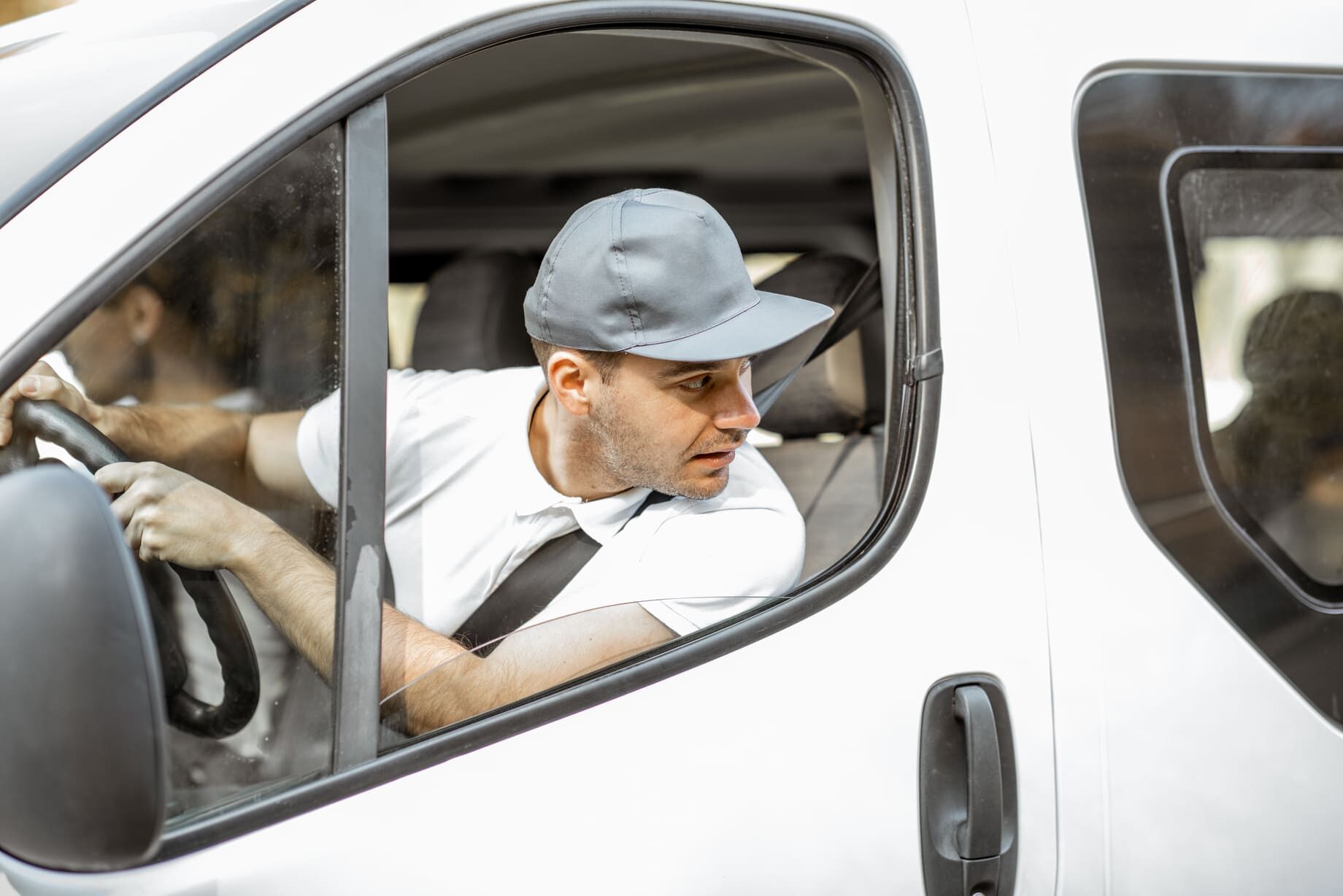
Imagine a delivery driver rear-ends your vehicle while making a scheduled delivery. While the driver caused the crash, their employer may also be legally responsible. That distinction can make a major difference in the amount of personal injury compensation available.
In this guide, we outline how the Texas vicarious liability statute works, how it affects personal injury compensation, and why working with an experienced abogado de lesiones personales improves your chances of a successful recovery.
What Is the Respondeat Superior Doctrine in Texas?
At the center of most employer liability claims is a legal doctrine called respondeat superior, a Latin term meaning “let the master answer.” This principle allows courts to hold employers responsible for the actions of their employees under certain conditions.
The “Course and Scope of Employment” Test
Según la Legal Information Institute, the respondeat superior doctrine applies when an employee is acting within the course and scope of employment at the time of the incident. This typically comes down to two key questions:
- Was the employee acting in furtherance of the employer’s business?
- Was the employee performing assigned duties or something closely related?
If the answer is yes, the employer may be held liable.
This doctrine often plays a central role in casos de accidentes de camión when commercial drivers cause collisions while completing a scheduled delivery. In these instances, the trucking company may also be held responsible depending on the circumstances.
When Employers Are Not Liable
If an employee significantly departs from their job duties for personal reasons—often called a “frolic”—the employer may not be liable.
For instance:
- A delivery driver making scheduled stops: likely within the scope of the respondeat superior doctrine
- The same driver running a personal errand mid-route: possibly outside the scope

When Can an Employer Be Held Vicariously Liable in Texas?
Vicarious liability against an employer is not automatic. Texas courts look closely at the parties’ relationship and the employee’s actions at the time of the incident.
In most cases, an employer may be held responsible when:
- The at-fault party was an employee.
- Not just labeled as one, but functioning as one in practice.
- The employee was acting within the scope of their job.
- The actions must be tied to their work duties or benefit the employer.
- The employer had control over the work being performed.
- This includes how, when, and where the employee completed their tasks.
Employers sometimes try to avoid liability by classifying workers as independent contractors. However, Texas courts look beyond job titles and contracts, examining:
- How much control the company had over the worker
- Whether the work performed was part of the company’s regular business
- How the worker was paid and supervised
Delivery & Rideshare Accidents and the Independent Contractor Gap
Delivery organizations and rideshare companies like Uber and Lyft typically classify drivers as independent contractors. This can make rideshare accident liability more complicated, but it does not mean victims are without options.
Si ha sufrido lesiones en un rideshare accident, you may still be able to recover compensation through company-provided insurance policies. These claims can involve multiple layers of coverage depending on whether the driver was logged into the app or actively transporting a passenger.
Negligent Hiring and Retention — A Related Legal Theory
Vicarious liability is not the only way to hold an employer accountable. In some cases, injured victims may also pursue a claim for negligent hiring, supervision, or retention.
Unlike respondeat superior, this is a direct claim against the employer, and it applies when:
- An employer knew, or should have known, that an employee posed a risk
- The employer failed to take reasonable steps to prevent harm
How This Applies in Real Cases
Por ejemplo, a trucking company that hires a driver with a history of serious safety violations may be held accountable if that driver later causes a crash. Liability may include:
- Failing to properly screen the driver
- Ignoring red flags in their record
- Allowing unsafe behavior to continue
In some situations, both theories—respondeat superior and negligent hiring—can apply simultaneously, significantly expanding the scope of a claim.
Vicarious Liability for Parents and Alcohol Vendors in Texas
Vicarious liability in Texas is not limited to employer-employee relationships. In certain situations, the law allows injured victims to pursue claims against other responsible parties, including parents and alcohol vendors.
Parental Liability for a Minor’s Actions
Under certain circumstances, Texas law may hold parents or guardians responsible for the negligent actions of their minor children.
A common example involves motor vehicle accidents. If a parent allows their child to use the family car and the child causes a crash due to negligence, the parent may also be held liable.
In addition to vicarious liability, Texas recognizes a related concept called negligent entrustment. This applies when a parent knowingly allows a minor to operate a vehicle despite clear risks, such as:
- Lack of a valid driver’s license
- A history of reckless driving
- Driving while impaired or unfit
Dram Shop Liability Under the Texas Alcoholic Beverage Code
Texas also allows injured victims to pursue claims against alcohol vendors under the Dram Shop Act (Tex. Alco. Bev. Code § 2.02). This law applies when a bar, restaurant, or other vendor serves alcohol to someone who is obviously intoxicated, and that intoxication leads to injury.
To establish a dram shop claim, the injured party must show:
- The vendor served alcohol to a visibly intoxicated person
- The intoxication was a proximate cause of the injury
These claims often arise in serious DUI-related accidents, where the at-fault driver was overserved before getting behind the wheel.
En Texas Alcoholic Beverage Commission oversees alcohol regulation and enforcement in Texas, including rules governing licensed vendors. Because these cases involve both statutory law and complex evidence, they often require careful investigation and a compelling legal strategy. An experienced drunk driving accident lawyer can help victims navigate these types of cases.

How Vicarious Liability Affects Your Compensation in Texas
In many personal injury cases, the individual who caused the harm may have limited insurance coverage. For example, Texas only requires minimum liability coverage of $30,000 per person, which may not come close to covering serious injuries.
When vicarious liability applies, you may be able to pursue compensation from a business or employer with significantly greater financial resources and insurance coverage than these legal minimums.
Other Texas laws that affect your personal injury claim include:
- Texas and Proportionate Responsibility: Texas code § 33.001 outlines a proportionate responsibility system under which multiple parties can share fault. The compensation they owe is adjusted based on each party’s percentage of responsibility.
- Texas Statute of Limitations: In Texas, most personal injury claims must be filed within two years under Tex. Civ. Prac. & Rem. Code § 16.003. Waiting to file past this deadline can eliminate your ability to recover damages.
FAQs — Vicarious Liability in Texas
What is vicarious liability in Texas?
Vicarious liability in Texas is a legal doctrine that holds one party—typically an employer or principal—responsible for the negligent actions of another party, such as an employee or agent, when those actions occur within the scope of their employment. It allows injured victims to pursue compensation from a third party who did not directly cause the harm. This doctrine most often applies in employer-employee relationships, but can also extend to parents and alcohol vendors.
What is respondeat superior under Texas law?
Respondeat superior is a Latin legal doctrine meaning “let the master answer.” It forms the foundation of most employer liability claims in Texas. Under this principle, an employer may be held liable for an employee’s negligent actions if they occurred within the scope of employment. Courts evaluate whether the employee was acting in furtherance of the employer’s business at the time of the incident.
Can an employer be held liable for an employee’s accident in Texas?
Yes. If an employee was performing job-related duties or acting in furtherance of the employer’s business when the accident occurred, the employer can be held vicariously liable. The key issue is whether the employee was acting within the scope of their employment. If the employee was on a personal detour unrelated to work, the employer may not be responsible.
Does Texas have a vicarious liability statute?
Texas’s vicarious liability law is primarily based on common law principles. However, certain statutes apply in specific contexts. For example, the Texas Dram Shop Act (Tex. Alco. Bev. Code § 2.02) governs alcohol vendor liability, while Tex. Civ. Prac. & Rem. Code § 33.001 outlines how fault is divided among multiple parties. Courts rely on both statutes and established case law when evaluating these claims.
How long do I have to file a vicarious liability claim in Texas?
In most cases, you have two years from the date of the injury to file a personal injury lawsuit in Texas, including claims involving vicarious liability (Tex. Civ. Prac. & Rem. Code § 16.003). Missing this deadline can prevent you from recovering compensation. Because identifying all liable parties can take time, it is important to seek legal guidance from a personal injury lawyer as soon as possible.
Talk to a Texas Personal Injury Lawyer Today
At AK Law Firm, we handle both direct negligence claims and broader liability issues arising in cases involving employers, businesses, and third parties. From truck accidents to rideshare claims, our team knows how to build strong vicarious liability cases and secure full compensation.
Not sure if more than one party is responsible for the accident that caused your injuries? Schedule your free consultation today, and get the answers you’re looking for. You pay nothing unless we win your case.


