 Skip to main content
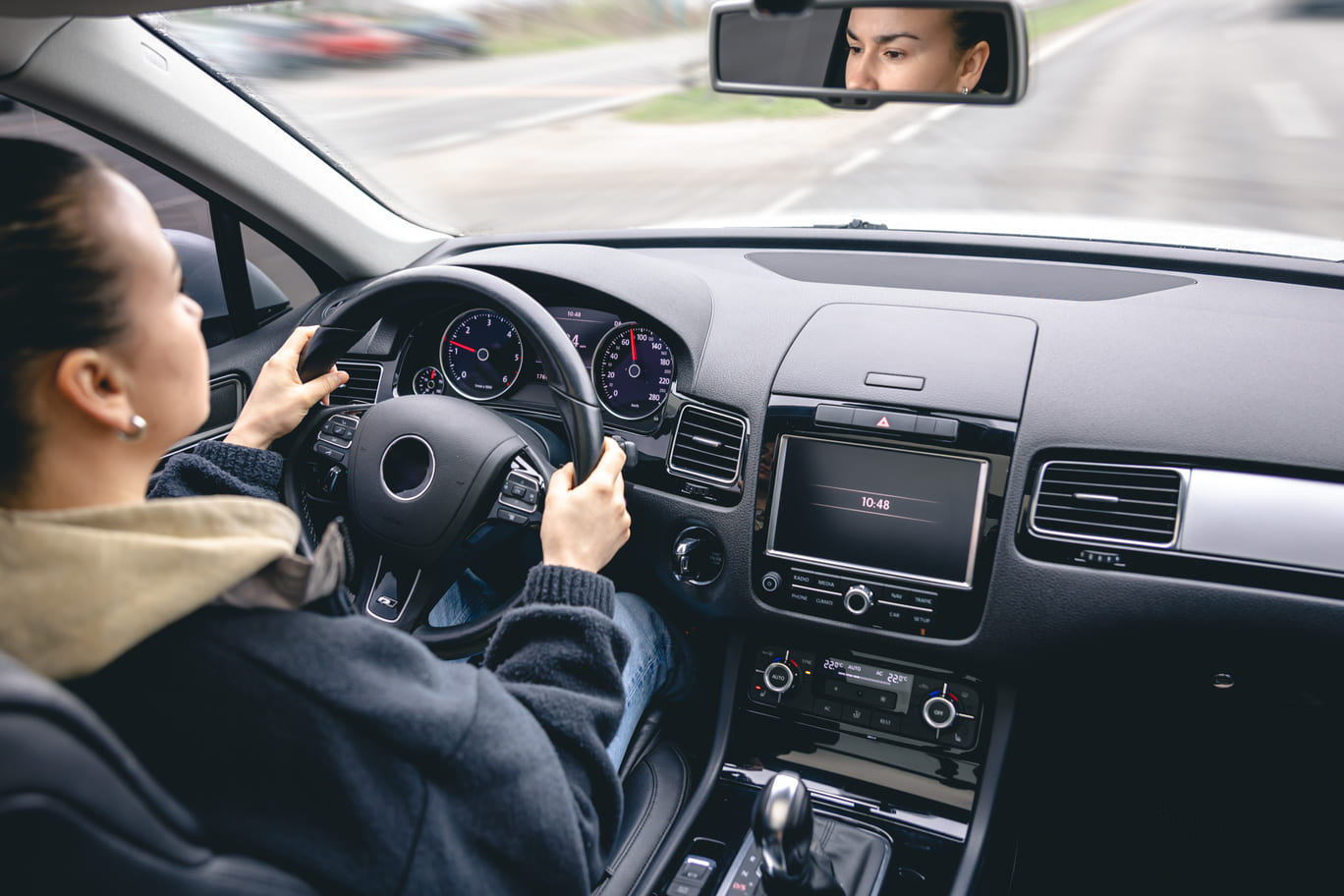
If you’ve been in a crash, proving what really happened isn’t always easy. But your car black box may already have the answers.
Facts are often disputed after a serious car accident. What many drivers don’t realize is that their vehicle may already hold objective proof of fault. A car black box, also known as an event data recorder (EDR), captures critical data in the moments before and during a crash. From speed and braking to seatbelt use, black box data can demonstrate exactly what happened.
AK Law Firm’s car accident lawyers regularly use this data to strengthen claims and challenge inaccurate narratives in car and truck accident cases where fault is disputed. This attorney-informed guide is for accident victims in Texas who want to know whether their vehicle has EDR data and how it can be used to prove fault.
If you’ve been injured in a car accident, we offer free consultations to help you preserve this valuable evidence before it gets lost.
What Is a Black Box in a Car?
A car black box, or event data recorder (EDR), is a device built into most modern vehicles that records key data in the seconds before, during, and after a crash. It does not record continuously. Instead, it captures a short snapshot — typically 5 to 20 seconds surrounding the impact — when a crash event is triggered.
Many drivers incorrectly assume that a black box in cars works like an airplane’s flight recorder or a GPS tracking app. It doesn’t. Unlike those systems, an EDR is designed only to capture crash-related data, not your everyday driving behavior.
According to the National Highway Traffic Safety Administration (NHTSA), EDRs are intended to help investigators understand how a crash occurred and improve vehicle safety systems. In a legal case, that same data can become powerful evidence.
Do Cars Have Black Boxes? What About Trucks?
Almost all model-year 2017 passenger vehicles and later have an EDR. While there is no federal mandate requiring EDR installation, voluntary adoption is essentially universal.
If you’re unsure whether or not your vehicle has a car black box, you can:
- Check your owner’s manual
- Look up your vehicle’s specifications online
- Ask an accident reconstruction expert
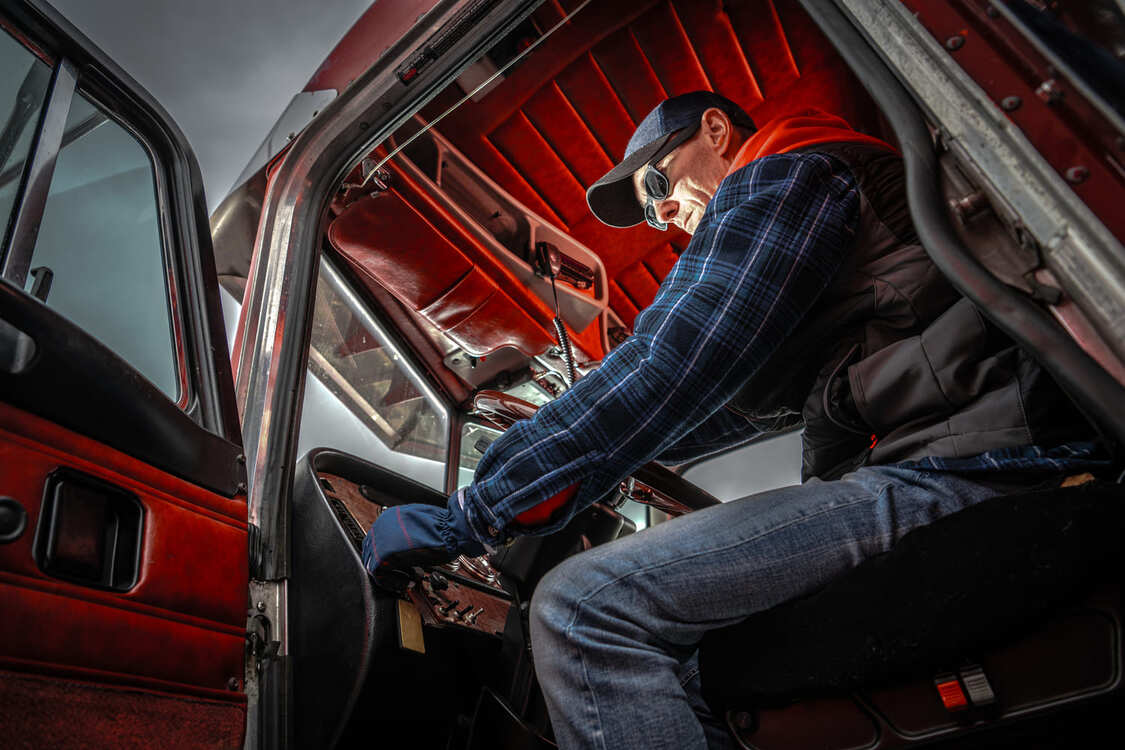
Commercial trucks often have Electronic Logging Devices (ELDs), which provide additional GPS tracking, dash cameras, and engine control module data that can help explain how a crash occurred. These overlapping data sources can provide a much clearer picture of what happened, but preserving them requires fast legal intervention from an experienced truck accident lawyer.
What Data Does an Event Data Recorder Capture?
Under the federal standards outlined in 49 CFR Part 563, vehicles equipped with compliant EDR systems must record specific crash-related data points to help explain how a collision occurred.
While the exact data can vary by vehicle, most black boxes must capture:
- Vehicle speed in the seconds before impact
- Brake use (whether or not the driver applied the brakes)
- Throttle or accelerator position
- Steering input
- Seatbelt use for the driver and front passenger
- Airbag deployment timing and type (frontal, side, and curtain)
- Number of crash events
- Anti-lock braking system (ABS) activity
- Vehicle movement or roll behavior
This data is usually limited to 20 seconds before the crash and a few seconds after. But that brief snapshot is often enough to answer the most important questions about speed, braking, and driver response, including:
- Was the other driver speeding?
- Did they try to brake before impact?
- Did they swerve or take no evasive action?
- How severe was the collision?
How Black Box Data Is Used in a Texas Car Accident Case
Texas follows a modified comparative fault system, which means your personal injury compensation can be reduced if you are found partially responsible for the crash that caused your injuries. And if you are found more than 50% at fault, you may not recover damages at all.
This is where car black box data becomes incredibly valuable.
Rather than relying only on witness statements or driver testimony, your legal team can use EDR data to build a clear, evidence-based timeline of the crash. Here’s how that process typically works:
- First, the data must be retrieved. Attorneys and accident reconstruction experts use specialized tools to download information from the vehicle’s EDR.
- Next, the data is analyzed. Experts review speed, braking patterns, and other inputs to reconstruct the moments leading up to the collision. This helps identify exactly what each driver did — or failed to do.
- Finally, the data is presented as admissible evidence. In many cases, black box findings are used in settlement negotiations to counter inaccurate claims from insurance companies. If a case goes to trial, expert witnesses may translate the data in a way a jury can understand.
Consider This Common Situation:
The other driver claims you stopped suddenly and caused the crash. But the black box shows they were traveling at a high speed and never applied the brakes. That single piece of data can completely change the outcome of your case.
Black Box Data in Cases of Wrongful Death:
In fatal accidents, when victims cannot speak for themselves, black box data is often one of the only objective records of what happened in surviving families’ wrongful death cases.

Why Acting Fast Is Critical — EDR Data Can Be Lost
Car black box data doesn’t last forever. In many vehicles, EDRs operate on a limited storage system. That means the data from your crash can be overwritten if the vehicle is powered on, moved, repaired, or involved in another incident. What feels like a small delay can result in the loss of critical evidence.
There are several black box pitfalls accident victims should be aware of:
- The vehicle may be repaired or restarted multiple times, which can overwrite crash data
- Totaled vehicles may be sent to salvage yards, where data is never recovered
- The at-fault driver’s insurance company is not responsible for preserving black box evidence for you
- Commercial trucking companies only retain certain records for a limited time
Why Early Legal Action Matters:
Acting quickly helps protect your ability to prove what happened.
An attorney can send a preservation or spoliation letter immediately after a crash. This formal notice requires the other party — and in truck cases, the trucking company — to preserve relevant evidence, including black box data. If that evidence is destroyed after notice is given, courts may impose penalties.
At AK Law Firm, we help accident victims across Texas build strong cases using every available piece of evidence — including black box data.
If you’ve been injured in a crash, don’t wait to get answers before valuable car black box data disappears. Contact AK Law Firm today for a free attorney consultation.
Call Now for a Free ConsultationFAQs — Car Black Box and Your Accident Case
What is a black box in a car?
A car black box, or event data recorder (EDR), is a device built into most modern vehicles that records data during a crash. It captures details such as speed, braking, steering input, seatbelt use, and airbag deployment in the seconds immediately surrounding the impact.
Do cars have black boxes?
Yes. Most modern vehicles are equipped with EDRs. In recent years, nearly all new light vehicles sold in the U.S. have included this technology, making it a common source of crash-related evidence.
How long does a car black box store data?
Most EDRs store data from only a short window — usually 5 to 20 seconds before and after a crash. The data remains stored until it is retrieved or potentially overwritten, which is why it’s important to act quickly and preserve it if you’ve been in a crash.
Can the other driver’s black box data be used against them in my case?
Yes. Black box data from any vehicle involved in the crash may be obtained through legal processes such as subpoenas. This data can help prove fault and challenge inaccurate claims made by the other driver.
Does a car’s black box record all the time?
No. An EDR does not continuously monitor your driving. It activates only when a crash or similar triggering event occurs and records a short snapshot of data around that moment.
Do trucks have black boxes, too?
Yes. Commercial trucks often have an EDR along with additional systems like electronic logging devices (ELDs), GPS tracking, and engine data. These combined sources can provide a more detailed view of what happened in a truck accident.


