
When a rideshare collision occurs the lawyer’s first priority is to pinpoint the moment of the crash and determine which insurer is obligated to pay.
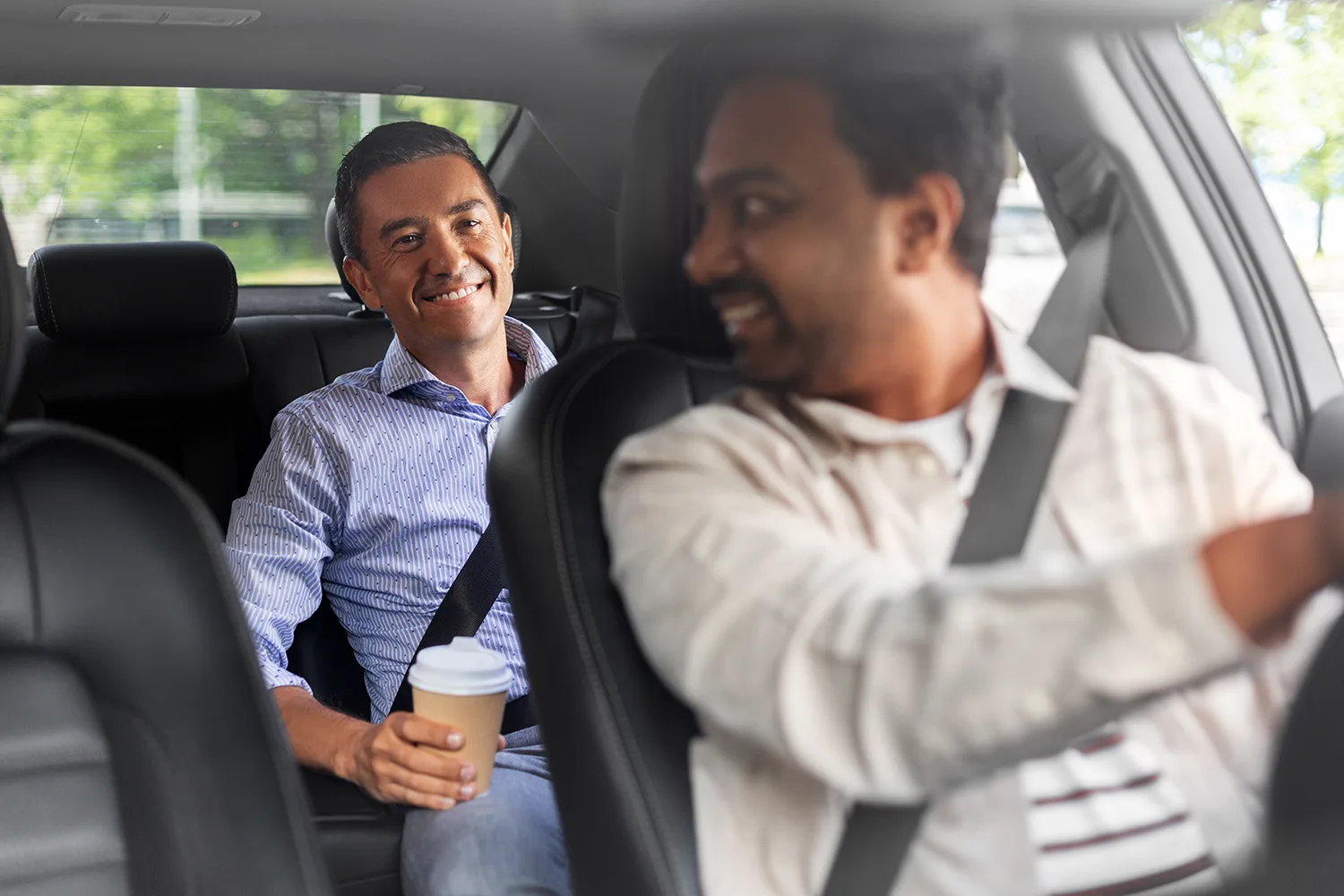
Rideshare Accident Lawyer in Texas
Injured in an Uber or Lyft Accident in Texas?
When something goes awry on a rideshare trip—whether you’re a passenger hurt in a crash or a motorist pedestrian or fellow driver struck by an Uber or Lyft—legal hurdles become unusually tricky. Coverage can flip depending on the driver’s status the app’s data may. The companies tend to mount an aggressive defense. What you really need is an attorney who knows this terrain and will fight doggedly to secure full compensation. AK Law Firm offers representation across Texas, with experienced Uber and Lyft accident attorneys in Houston, Dallas, and San Antonio.





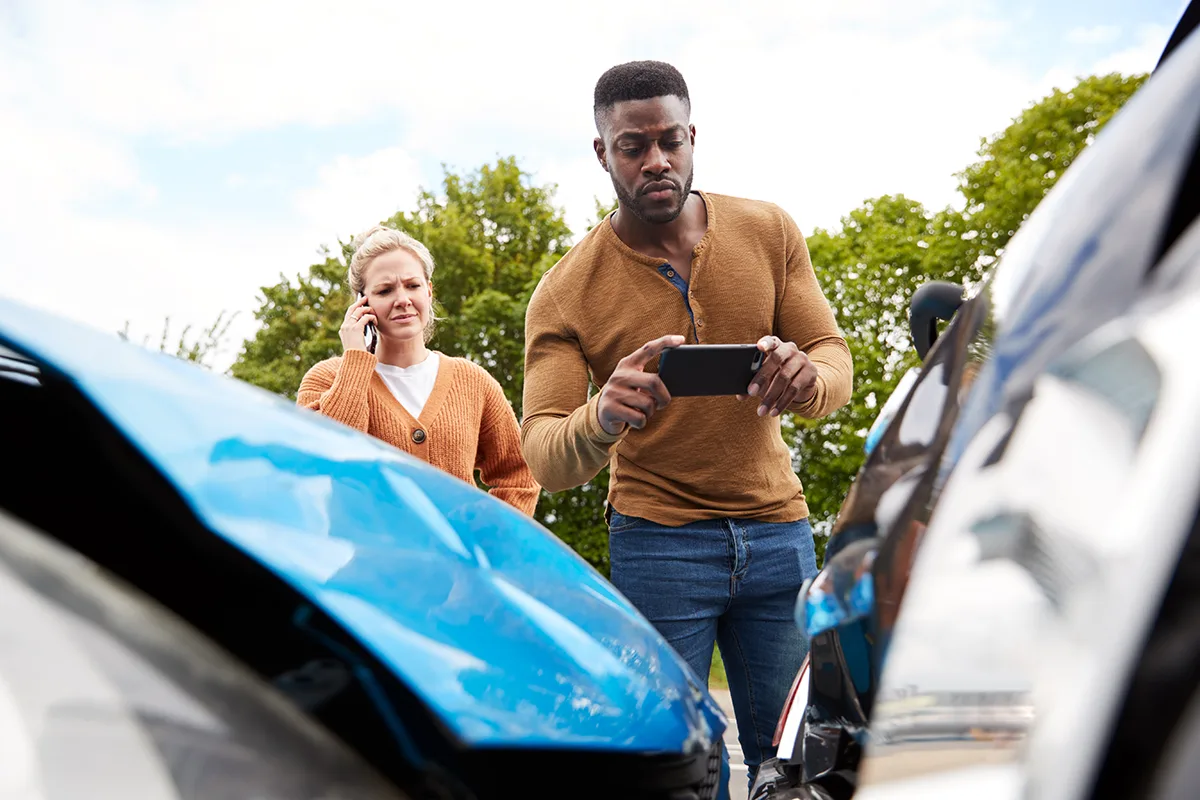
Navigating the Distinctive Terrain of Rideshare Accidents
Rideshare firms such as Uber and Lyft break driver activity into stages each of which activates a different insurance policy. If your Uber crashes, understanding these stages is essential:
Phase 1
Offline/App Off: Drivers are covered by their personal policies. If a crash happens their own auto insurer is the payer.
App On Awaiting Request: The contingent liability protection— $50,000 / $100,000 / $25,000—only comes into play after the personal policy has rejected the claim.
Phase 2
App On Awaiting Request: The contingent liability protection— $50,000 / $100,000 / $25,000—only comes into play after the personal policy has rejected the claim.
Phase 3
Ride Accepted through Passenger Drop‑Off: Once a ride is accepted and carries on to the passenger’s drop‑off, the commercial policy swings, into force—generally providing $1 million of liability coverage per incident uninsured/underinsured motorist (UM/UIM) protection and both comprehensive and collision insurance.
Which parties are entitled to recover. Against whom can they pursue it?
Passengers Who Sustained Injuries
Passengers injured during Phase 3 reap the benefits of coverage:
- A $1 million liability stemming from the rideshare company
- If the other driver is uninsured or only minimally covered UM/UIM protection steps, in.
- Personal auto policy, for cases where rideshare coverage fails to apply
Other. Those, on foot
Whenever a rideshare vehicle ends up injuring either another driver or a pedestrian the ensuing claim typically gets wrapped in layers:
- Rideshare Policy (Phase 3): liability limit of $1,000,000.
- Driver’s Personal Policy (Phase 1): should be invoked only if Phase 3 fails to apply.
- Third‑Party Insurers: In the circumstance that a third party caused or contributed
A seasoned car accident attorney deftly bridges coverage gaps, leverages subrogation rights, and works closely with insurers to protect your full recovery.
The injuries that often appear when a rideshare gets into a crash
Rideshare crashes bring about the range of injuries as a typical car accident but they’re often amplified by back‑seat passengers who don’t buckle up and by distracted gig‑economy drivers:
- The suite of soft‑tissue injuries that often follow
- Broken bones
- Traumatic brain injuries, often shortened to TBIs
- Spinal cord injury leading to paralysis
- Injuries affecting the body’s organs
- Psychological trauma, manifesting as anxiety and PTSD
The price of treatments lost earnings. Long‑term care can balloon to well over a hundred thousand dollars in a short span. Getting help right away safeguards vital evidence and boosts the chances of obtaining the fullest possible compensation, for both economic losses and non‑economic harms.
Step‑by‑Step Guide: What to Do After a Rideshare Accident
Rush, to a professional right away.
Immediate medical care creates a record of the injuries sustained. That documentation is indispensable for establishing the causal link to the crash and, for thwarting any insurer’s bad‑faith tactics.
Make sure to file a crash report
Get the police involved and secure a report. Then tip the rideshare company— they can pull the driver’s account for any safety breaches.
Chronicle the scene, in detail.
Take a series of photos covering the vehicle’s damage the condition of the roadway any traffic‑control apparatus and any injuries that are visible. Note the location and time and capture app screenshots that reveal the driver’s status.
Gather information, from the witnesses
Gather the names and contact information—phone numbers, email addresses or any other reachable details—of passengers other motorists and any bystanders.
Keep the app and its black‑box data safe
Driver app logs, GPS records and the data inside an Electronic Control Module (ECM) can just vanish—getting a legal preservation letter out is the best guard, against spoliation.
Delegate the insurer notifications, to your attorney.
Dodge giving recorded statements. Admitting fault. Let your attorney handle all communications with the insurer, which helps keep low‑ball offers at bay.
Keep a log of every expense
Make a habit of stashing every receipt— bills, prescriptions, therapy sessions, travel costs and even lodging—whenever treatment requires you to travel.
Schedule a no‑cost case evaluation, with AK Law
Think through your options identify who might be liable and develop a plan that targets the highest possible recovery.
How Liability Theories Play Out in Rideshare Cases
Negligence, on the driver’s part
To establish negligence the case must show that the rideshare driver breached a duty of care—whether by speeding being distracted behind the wheel or ignoring traffic signals. Evidence includes:
- Detailed cellphone records
- Logs, from telematics and GPS systems
- Footage captured by a traffic camera
- firsthand account, from an eyewitness
Being held accountable, for another’s wrongdoing
Rideshare outfits disavow direct culpability yet an emerging judicial trend increasingly imposes vicarious liability when drivers operate within the parameters of their engagement—particularly in Phase 3.
Standard, for Common Carriers
In a number of jurisdictions rideshare platforms are classified as carriers, which subjects them to heightened duties of care and stricter liability standards.
Product liability
Defective safety features—like malfunctioning seatbelts or airbags—can spark product‑liability claims against auto manufacturers opening up avenues, for recovery.
Tallying Up the Damages
Financial losses
- Medical Expenses – everything from emergency care and surgeries, to hospital stays, rehabilitation and any future medical needs
- Lost Income: the pay you don’t receive while healing, the reduced ability to earn and any bonuses or benefits that vanish.
- Property Damage: the provision, for mending or substituting one’s belongings encompassing electronic apparatuses and apparel
- Out‑of‑Pocket Costs: covering travel to appointments, in‑home health care and assistive devices
Damages of a nature
- Suffering: the throbbing ache that grips the flesh, the crippling handicap that follows and the quiet theft of everyday delight.
- Emotional distress, including anxiety, depression and PTSD.
- Loss of consortium—its far‑reaching influence, on family ties
- Scarring: permanent marks that reshape appearance and ripple, through everyday life.
Damages that serve a purpose.
Applicable in the most extreme cases of flagrant negligence or deliberate misconduct—such, as a driver who knowingly breaches safety regulations or a rideshare firm that habitually turns a blind eye to repeated safety violations.

The Playbook of Insurance Companies: How to Fight Back
Early Settlement Offers
Swift, low‑ball proposals that aim to silence a claim before the injured party fully appreciates the harm. The appropriate counter‑move is to turn down these offers waiting until injuries have stabilized and all evidence is assembled.
Delay tactics
drawn‑out investigations that try to wear claimants out. Counter them with legal demands, regular status updates and spoliation notices.
Fault Shifting
Implying the passenger’s negligence or pinning the blame on a third party. Counter by bringing in a forensic accident‑reconstruction expert and enforcing an application of comparative‑fault principles.
Medical Record Mining
Excessive requests, for files often serve to sniff out pre‑existing conditions; a surgical disclosure agreement can prune the demand allowing only the pertinent records to be shared.
The Legal Process: From an Initial Assessment, to the Final Resolution Do After a Rideshare Accident
Gratis case appraisal.
Go through the crash specifics check on the driver note any injuries and see what the insurance covers. Afterwards put together a framework to allocate liability and assess damages.
Carry out the investigation. Gather the evidence.
Collect the app logs ECM data, witness statements and expert reports. Then identify every defendant—drivers, rideshare firms and manufacturers.
Pull together the demand package.
Pull together a presentation that covers liability sources, accident reconstruction, medical documentation and economic analyses.
Sitting down with insurers to negotiate the terms
Pursue, with vigor the full policy limits and any supplementary coverage, by filing UM/UIM or product‑liability claims.
Pursue litigation. Only when it becomes unavoidable.
Start an action to keep the rights intact. Follow that with discovery—depositions, interrogatories, document requests—to put pressure on the side for a reasonable settlement.
Alternative dispute resolution
If a directive calls for it. If an early resolution is being sought engage in mediation or arbitration.
Trial. A juncture where everything is put to the test
Lay out the evidence before a jury or judge question the expert witnesses and press for the greatest damages award.
Post‑trial. Appeals
When legal snags arise see that judgments are enforced and shepherd any appeals through all to lock in the compensation.
Why Having a Lawyer Makes All the Difference
Deep domain‑specific insight
Rideshare litigation sits at the crossroads of regulations state insurance statutes and intricate liability doctrines. Too often general personal‑injury practitioners overlook crucial subtleties—such as the exact trigger for app‑based coverage or the tight deadlines, for preserving electronic evidence.
Resources, for the industry
The cream‑of‑the‑crop rideshare attorneys keep ties with:
- Engineers focused on reconstructing accidents
- Professionals proficient, in telematics and digital forensics
- Medical professionals well‑versed in managing injuries, from vehicle collisions
- Economists tasked with projecting losses
These resources lend weight to the claims while directly contesting the insurer’s positions.
Tailored advocacy, crafted for each situation.
AK Law Firm assigns an attorney to your case—far, from a cookie‑cutter, one‑size‑fits‑all model. We listen to your story keep you in the loop and shape our tactics around the priorities and needs that matter most to you.
Results that have been unequivocally proven
Through advocacy our firm has locked in multi‑million‑dollar recoveries, for accident victims by:
- Amplifying claim potential, through coverage
- Tracing parties that could be on the hook, like the manufacturers or the folks who maintain the equipment.
- Secured punitive awards, as a consequence of negligence
Frequently Asked Questions (FAQs)
What if the driver’s personal policy declines to extend coverage?
Contingent rideshare coverage is in force, during Phase 2; commercial coverage takes over in Phase 3. If a denial surfaces your attorney will methodically target each insurer proceeding in order to guarantee payment.
Am I able to recover despite having been, at fault?
The comparative‑fault rule applies. You’ll receive a recovery that’s trimmed in proportion, to your share of fault—unless that share exceeds the jurisdiction’s threshold, in which case you get nothing.
What’s the typical timeframe for a rideshare injury claim?
In practice cases usually draw to a close within nine to sixteen months contingent, on the injury’s gravity the insurer’s willingness to cooperate and the specific demands of the litigation.
Are there any charges I need to cover?
No. AK Law Firm operates on a contingency framework; we don’t collect a cent unless we clinch a victory in your case.
Maximizing Your Recovery: Real‑World Tips That Actually Work
- Seek medical care: Chronicle any injuries before insurers attempt to argue there’s no causal link.
- Preserve Digital Evidence: App and ECM data are liable to dissipate. Legal preservation notices are indispensable.
- Steer clear of media: insurers habitually comb through posts hunting for any inconsistencies.
- Keep a pain journal: log pain levels, track how treatments are progressing and record any emotional impact.
- Heed legal counsel: avoid affixing a signature to any release documents or agreeing to a settlement, without a lawyer’s scrutiny.
When the time feels right to step arrange your complimentary case evaluation, with AK Law today.
Time is of the essence—evidence withers, memories dim and the statutes of limitations loom overhead. For passengers injured on rideshare trips and for motorists or pedestrians injured by app‑based drivers AK Law Firm offers the experience, the resources and a personal commitment to turn your accident into justice and secure compensation.




Trusted by over 4,000+ clients in the last 5 years


We actually found this place but mistake, but it was the best mistake we ever made. Ada Ramirez and the staff were professional and sweet no matter how many questions we asked and times we called . The handled our case very quickly to our surprise. I would recommend them to anyone. Thank you AK LAWFIRM!

Excelente atención, siempre comunicativos, satisfecho del acuerdo logrado. 100% recomendado

I just want to say that I highly recommend AK law firm for always being in touch and having excellent communication. Also I want to appreciate Ms. Marissa Lozano for helping me thru the whole process. You're work is highly appreciate it. And in the future,AK law firm will be one of the first people to contact in any situation of mine. Thanks

Muy buen trato lo recomiendo al 100%

La verdad muy buenos me ayudaron mucho y rápido a sacar lo máximo posible se los recomiendo

Everything they said they would do they did no gimmicks . Very professional no over promises. Great company 👌

My experience with this law firm has been nothing short of amazing. The constant communication is so much appreciated. I felt heard, and my concerns were always addressed. Roxana was a true gem to work with, and I would highly recommend her to assist with your case.

Muy buen servicio excelentes los recomiendo

Giovanna was the best assistant ever. She worked hard to fix some mistakes. I would recommend ak law firm anytime


Practice Areas
Texas Practice Areas

Additional Locations
Other Locations
Hidalgo
Recovering compensation after a rideshare accident can be challenging due to the complicated insurance laws that govern these cases. If you were injured in a collision involving a rideshare driver, an experienced Hidalgo rideshare accident lawyer can help you understand your legal rights and pursue fair compensation for your losses. At AK Law Firm Accident ...
Hidalgo
Recovering compensation after a rideshare accident can be challenging due to the complicated insurance laws that govern these cases. If you were injured in a collision involving a rideshare driver, an experienced Hidalgo rideshare accident lawyer can help you understand your legal rights and pursue fair compensation for your losses. At AK Law Firm Accident ...
Brownsville
You can take immediate action against the party responsible for a crash by hiring a Brownsville rideshare accident lawyer from our team at AK Law Firm Accident & Injury Lawyers. We have over two decades of combined experience and the resources to stand up to big companies like Uber and Lyft on behalf of clients ...
Brownsville
You can take immediate action against the party responsible for a crash by hiring a Brownsville rideshare accident lawyer from our team at AK Law Firm Accident & Injury Lawyers. We have over two decades of combined experience and the resources to stand up to big companies like Uber and Lyft on behalf of clients ...
Sugar Land
The proliferation of rideshare services means there has been an explosion of rideshare drivers on the road in Sugar Land and the greater Houston metro area. Despite their convenience, rideshare services expose passengers and motorists to risks from inexperienced or negligent drivers. If you’ve been injured by a rideshare driver, you can speak to a ...
Sugar Land
The proliferation of rideshare services means there has been an explosion of rideshare drivers on the road in Sugar Land and the greater Houston metro area. Despite their convenience, rideshare services expose passengers and motorists to risks from inexperienced or negligent drivers. If you’ve been injured by a rideshare driver, you can speak to a ...
Harlingen
Getting hurt in an Uber or Lyft crash can disrupt a normal week in a matter of seconds. You may need medical care, you may not have a usable car, and missing even a few days of work can put real pressure on your household. A rideshare accident lawyer in Harlingen at AK Law Firm ...
Harlingen
Getting hurt in an Uber or Lyft crash can disrupt a normal week in a matter of seconds. You may need medical care, you may not have a usable car, and missing even a few days of work can put real pressure on your household. A rideshare accident lawyer in Harlingen at AK Law Firm ...
Pharr
Our team at AK Law Firm understands what it takes to successfully handle claims against big companies like Uber and Lyft. You can rely on our Pharr rideshare accident lawyers to stand up for your rights and level the playing field after a crash. We have over two decades of combined legal experience, and we’re ...
Pharr
Our team at AK Law Firm understands what it takes to successfully handle claims against big companies like Uber and Lyft. You can rely on our Pharr rideshare accident lawyers to stand up for your rights and level the playing field after a crash. We have over two decades of combined legal experience, and we’re ...