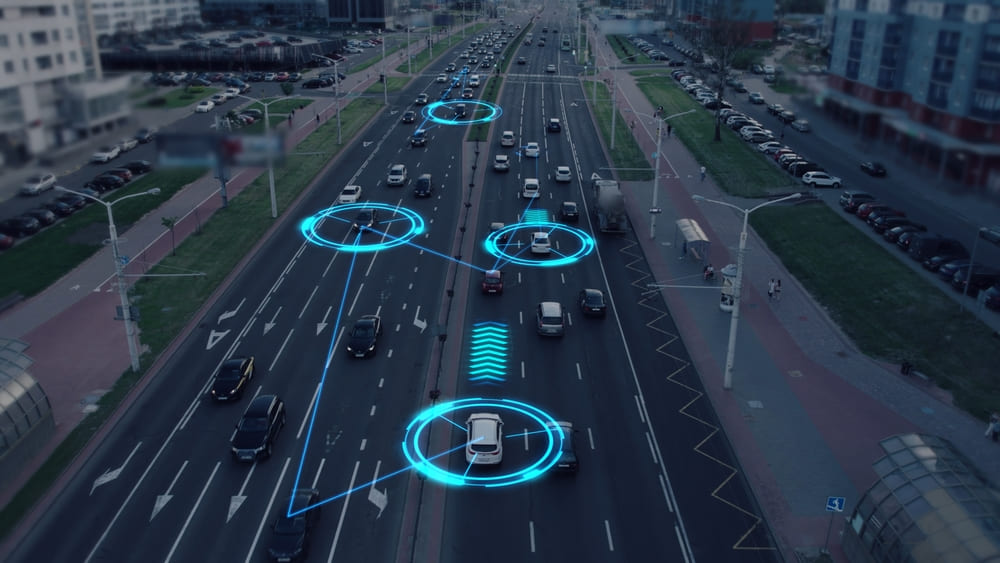





Self-driving cars are rapidly becoming a fixture on the roads of Dallas, but with this advancement comes the potential for accidents. When a Waymo or other autonomous vehicle causes an accident, determining liability can be complex.
If you or a loved one has been involved in an accident involving an autonomous vehicle, it’s essential to work with a Dallas self-driving car accident lawyer who understands the local intricacies of these cases.
At AK Law Firm, our dedicated attorneys specialize in self-driving car accidents. We are committed to helping victims recover the compensation they deserve so that they can fully recover from their injuries. Protect your legal rights. Call now to speak with a leading self-driving car accident attorney.
When you’ve been injured in a self-driving car accident, you need an attorney who understands both the legal landscape of Dallas County and the complexities of autonomous vehicle (AV) technology. Here’s why hiring a specialized Waymo accident lawyer is crucial:
Dallas County courts and local legal procedures are unique. Our attorneys are experienced in navigating the specific nuances of the local legal system, ensuring that your case is handled efficiently and effectively.The Dallas–Fort Worth metroplex is at the forefront of AV testing. Our legal team is well-versed in the growing presence of AVs in North Texas, including the latest developments in Waymo and other autonomous services. We understand how this impacts Waymo accident claims, including liability determination.Self-driving cars rely on complex AI systems and sensors to operate. These systems can malfunction or misinterpret data, leading to accidents. Our team has experience handling cases involving AI-driven systems, digital evidence, and complex liability issues.Waymo car accidents often require analyzing digital evidence, such as vehicle logs, sensor data, and video footage. We have the resources to obtain and interpret this evidence, building a strong case on your behalf.Dallas is home to some of the busiest and most challenging roadways in Texas. High-speed corridors like I-35E and US-75, combined with the downtown traffic density and construction-related hazards, make accidents in Dallas particularly dangerous. Our attorneys are familiar with these specific challenges and know how to build cases that address these factors.Dallas is one of the most diverse cities in the country. We offer bilingual legal support to ensure that all members of the community have access to justice, regardless of their primary language.
Whether you are dealing with a rideshare accident or you were struck by a self-driving car, we’re here to help. Speak with a leading Dallas self-driving car accident lawyer today to discuss your case and explore your options.
The transportation landscape in Dallas is evolving, with self-driving cars playing an increasingly prominent role. As companies like Waymo expand their operations, it’s important for those sharing the roads with them to understand how AVs are being tested and how they impact Dallas car accident statistics.
Here’s what you need to know:
AV Testing and Operations in Dallas–Fort Worth
AV testing is underway in several parts of the Dallas–Fort Worth metroplex. These vehicles, including those operated by Waymo, are being tested on both suburban routes and busy urban corridors. The city is becoming a testing ground for a variety of AV applications, from ride-hailing services to deliveries.
For a free legal consultation with a self-driving cars lawyer serving Dallas, call (866) 693-7098
Regional AV Pilots: Delivery Robots and Autonomous Shuttles
In addition to ride-hailing services, autonomous delivery robots and shuttles are making their way through Dallas. These innovations aim to reduce traffic and improve mobility, but they also raise unique safety concerns. Understanding how these vehicles operate—and how they interact with other cars and pedestrians—is essential for anyone involved in an AV accident.
Dallas Self-driving Cars Lawyer Near Me (866) 693-7098
Differences Between Dallas Testing Zones and Busy Urban Corridors
Dallas features different testing zones for AVs. In suburban areas, AVs primarily serve lower-traffic routes, while urban areas like downtown Dallas, known for their heavy congestion and high pedestrian traffic, pose more complex challenges for AVs.
The distinction between these areas is important, as accidents in these zones may require different legal approaches.
Click to contact our Car Accident Lawyers in Dallas today
Growth of Companies Testing AVs Nationwide, Including Waymo
Waymo, one of the most well-known AV companies, has begun testing its vehicles across various urban areas. The company’s expansion into Dallas brings with it both opportunities and risks, as these vehicles share the roads with traditional human-driven cars.
Ready to take action? Speak with a Dallas self-driving car accident lawyer today to discuss your legal rights and get the help you need.
In Dallas, where traffic is dense and road conditions are constantly changing, self-driving cars can cause various types of accidents.
Here’s a breakdown of the most common accidents involving AVs:
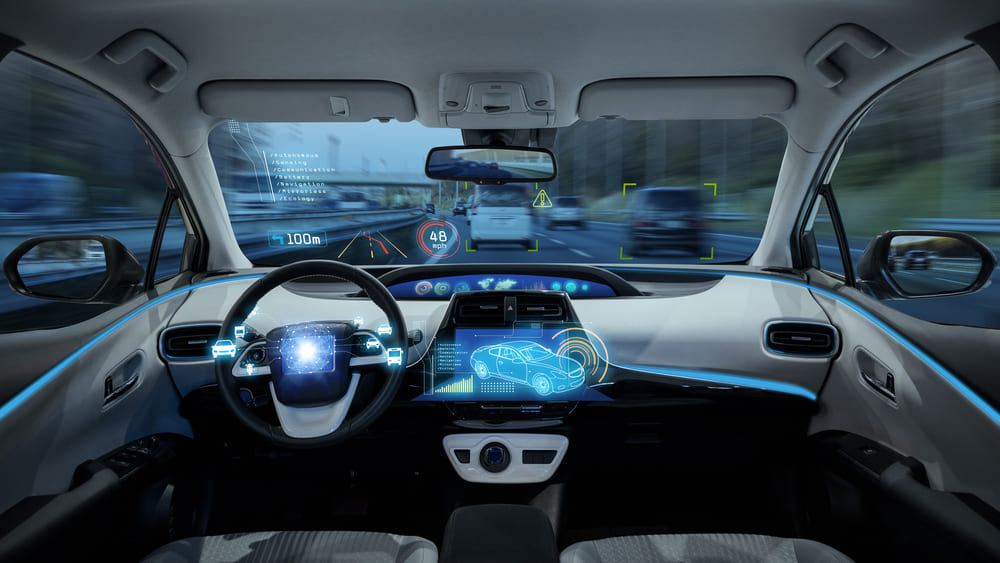
AVs can cause Dallas car accidents in high-congestion areas like Oak Lawn, Uptown, and Downtown Dallas, where high vehicle volumes can overwhelm an AV’s sensors. Additionally, AVs may struggle to react to the dense traffic and unpredictable behavior of other drivers in these bustling areas.Dallas has numerous walkable areas, including downtown, where pedestrians and cyclists are frequently present. AVs, despite advanced sensors, may have difficulty detecting or reacting to pedestrians or cyclists in certain scenarios, especially in poorly lit or high-traffic areas. In these situations, pedestrian accidents and bicycle accidents are unfortunately common, leading to serious injuries.Motorcycle accidents involving self-driving cars can be particularly dangerous due to their smaller size and unprotected riders. When AVs are unable to properly detect motorcycles in traffic or fail to brake in time, serious collisions can occur.In Dallas, big rigs and commercial vehicles frequently share the roads with self-driving cars. When an AV collides with a large truck, the results can be catastrophic. Truck accidents may occur if the AV fails to properly anticipate or react to the size, speed, or behavior of commercial vehicles.Dallas is known for its constant roadwork and construction zones. AVs can sometimes struggle in these areas, where sudden changes in traffic patterns, detours, and unexpected obstacles are common. When an AV misjudges road conditions or fails to detect hazards in construction zones, accidents can occur, often resulting in severe injuries.AVs rely on complex systems to navigate the roads, including sensors, cameras, and AI algorithms. However, despite the NHTSA’s push for automated vehicle safety, these systems can malfunction or misinterpret the data, leading to rear-end or side-impact collisions.
Self-driving car accidents pose unique challenges that make these claims more complex than traditional car accident cases. The nature of AV technology, combined with the involvement of multiple parties, often requires specialized legal expertise to secure compensation after an accident. Here’s why self-driving car accident claims are more complicated:
In a traditional car accident, liability is typically determined by the driver’s actions. However, in AV crashes, several parties may share responsibility, depending on the circumstances. Potentially liable parties include:
- AV Manufacturers: The companies that design and manufacture AVs, such as Waymo, may be held responsible if a defect in the vehicle’s system caused the accident.
- Autonomous Service Operators: Companies that operate self-driving services may bear liability, especially if they fail to maintain or oversee the vehicle’s operation.
- Software Developers/Tech Providers: The creators of the software and algorithms that control the vehicle’s driving system may be responsible if their technology malfunctioned and caused the accident.
- Human Safety Operators (if present): Some AVs have a human operator in the vehicle, whose actions—or lack of action—could contribute to the crash.
- Third-Party Drivers Involved in the Incident: In some cases, another driver may be at fault, particularly if they caused the accident while interacting with the self-driving vehicle.
AVs generate vast amounts of digital data during their operation. This data can be crucial in determining what went wrong in the moments leading up to the accident. However, obtaining this evidence is not always straightforward, as companies may be reluctant to release data when it could be used against them in litigation.
Key data includes:
- Video Feeds
- Radar/LiDAR Logs
- Telemetry Data
- Operating System Decision Logs
The complexity of determining liability and obtaining critical digital evidence makes AV accident cases more difficult than traditional car accident cases. However, an experienced self-driving car accident lawyer can help navigate these challenges and ensure that your rights are protected.
As the technology behind self-driving cars continues to evolve, so do the risks associated with their use. While AVs are designed to reduce accidents, they introduce a host of new challenges.
Here’s a look at some of the key risks associated with self-driving cars in Dallas:
Like any piece of technology, self-driving cars are susceptible to malfunctions. Whether it’s a failure in the vehicle’s sensors, radar, or artificial intelligence systems, these issues can result in accidents. The technology used by AVs is still in its developmental stages, and any failure, no matter how small, can have catastrophic consequences.
AVs rely heavily on sensors, including radar, LiDAR, and cameras, to navigate the road. While these sensors are cutting-edge, they are not foolproof. They may struggle in certain environmental conditions, such as heavy rain, fog, or snow, which can impair the vehicle’s ability to detect pedestrians, other vehicles, or obstacles in its path.
Multiple parties may be responsible for self-driving car accidents, including the vehicle manufacturer, software developers, and even third-party drivers. Determining who is at fault in these types of accidents can be complicated, as the technology behind these vehicles is continually evolving, and legal frameworks are struggling to keep up.
As self-driving cars become more connected, the potential for cybersecurity threats increases. Hackers could take control of an AV, causing it to malfunction or collide with other vehicles.
While fully autonomous vehicles are being tested, many self-driving cars still have human safety drivers on board. In these cases, the risk of human error remains significant. The driver may be distracted or fail to take control when necessary, leading to accidents.
Understanding these risks is crucial for anyone involved in an accident with a self-driving vehicle. With the right legal help from a Waymo car accident lawyer, injured victims can hold the responsible parties accountable and pursue fair compensation for their damages.
Accidents involving self-driving cars, especially in busy cities like Dallas, can result in a wide range of injuries. While these vehicles are designed to prevent accidents, the reality is that when collisions occur, they can be severe. Here are some of the most common injuries sustained in self-driving car accidents:
- Whiplash and Neck Injuries: One of the most common injuries in any car accident, including those involving AVs, is whiplash. Whiplash occurs when the neck is jerked forward and backward in a rapid motion, straining the muscles and ligaments.
- Head and Brain Injuries: Head injuries are among the most severe injuries resulting from car accidents. In self-driving car accidents, head injuries can range from concussions to traumatic brain injuries (TBIs). These types of injuries can have lifelong consequences, including cognitive impairment, memory loss, and even permanent disability.
- Spinal Cord Injuries: Spinal cord injuries are serious and can lead to partial or complete paralysis. These injuries are often the result of a sudden, violent impact, especially in high-speed accidents.
- Broken Bones and Fractures: Self-driving car accidents, particularly those involving high-speed zones, can result in significant force during the collision, leading to broken arms, legs, ribs, or pelvis. The severity of these injuries can vary, but recovery often involves long periods of medical treatment, physical therapy, and possible surgeries.
- Soft Tissue Injuries: Soft tissue injuries, such as strains and sprains, are common in any car accident, including those involving AVs. These injuries typically affect the muscles, tendons, and ligaments. While soft tissue injuries may not always appear severe initially, they can cause significant pain and long-term complications.
- Psychological and Emotional Trauma: The psychological effects of being involved in an accident with a self-driving car should not be underestimated. Victims of such accidents may experience post-traumatic stress disorder (PTSD), anxiety, and depression, particularly if the crash was severe or resulted in a loss of life.
Those who have been involved in self-driving car accidents may be entitled to significant compensation for their injuries and damages.
If you’ve been injured in a self-driving car accident, it’s crucial to consult with a skilled Dallas self-driving car accident lawyer who understands the complexities of these cases and can help you recover all the compensation you deserve.Medical Expenses (ER, Surgery, Rehabilitation): One of the most common forms of compensation is for medical expenses. Whether you’ve required emergency treatment, surgery, physical therapy, or long-term rehabilitation, you should not have to bear these costs due to someone else’s negligence. This includes the cost of any ongoing care related to your injuries.
Lost Earnings and Reduced Earning Capacity: If your injuries have caused you to miss work, you can pursue compensation for lost wages. In some cases, if your injuries are severe enough to impact your ability to work in the future, you may also be entitled to compensation for reduced earning capacity.Pain and Suffering: The physical and emotional toll of an accident can be devastating. Compensation for pain and suffering is designed to compensate you for the mental and physical anguish caused by your injuries. While these damages are subjective, your attorney can help you present the evidence needed to support your claim.Mental and Emotional Distress: Along with physical pain, many victims of self-driving car accidents suffer from emotional distress, including anxiety, depression, and post-traumatic stress disorder (PTSD). This is especially true for accidents involving advanced technology like AVs, which may cause confusion and fear about the safety of the technology in the future.Damage to Property: If your vehicle or other property was damaged in the accident, you may be entitled to compensation for repairs or replacement costs. This can also include any personal belongings damaged in the crash, such as electronics, clothing, or valuables.Potential Punitive Damages in Cases of Reckless Corporate Behavior: In cases where the AV manufacturer or service provider has acted with gross negligence or reckless disregard for public safety, you may be eligible for punitive damages. These are designed to punish the at-fault party and deter future misconduct. While punitive damages are not awarded in every case, they can significantly increase the total compensation in cases involving severe negligence.
If you’ve been involved in a Waymo collision in Dallas, it’s important to take immediate steps to protect your health and your legal rights.
Here’s what you should do after a Waymo accident:
The first and most important step is to call 911. Whether or not anyone is injured, it’s crucial to have an official police report filed. The report will document the accident scene, which can be essential for your case.Even if you don’t feel injured right away, seek medical attention. Some injuries, like whiplash or internal injuries, may not show symptoms immediately. Getting checked out by a doctor can ensure that you receive prompt treatment and that your injuries are documented.If you can, document the accident scene. This includes taking note of any construction zones, road closures, or unusual traffic patterns that may have contributed to the crash. In Dallas, construction zones can be hazardous and may be a factor in your accident.If you are physically able, take as many photos and videos of the accident scene as possible. This includes pictures of vehicle damage, road conditions, nearby traffic, and any debris from the accident. Photographic evidence can be invaluable in supporting your case, particularly if there is any dispute about the cause of the accident.After a self-driving car accident, you may be contacted by an insurance adjuster representing the AV company or other involved parties. Avoid discussing the details of the accident with these adjusters until you consult a lawyer first. Insurance adjusters may minimize your claim or pressure you into settling for less than you deserve.One of the key pieces of evidence in a self-driving car accident is digital data, including video footage, sensor logs, and operating system decision logs. This data is often controlled by the manufacturer or service provider, like Waymo, and can be difficult to access without legal assistance. An experienced Waymo self-driving car accident lawyer can help ensure that this critical evidence is preserved and that you have the best chance of holding the responsible parties accountable.
If you’ve been involved in a Waymo or other self-driving car accident, don’t wait—schedule a free consultation with a Dallas self-driving car accident lawyer today. We’ll help you navigate the legal process and fight for the compensation you deserve.
Navigating a self-driving car accident case requires specialized knowledge and resources. Here’s how AK Law Firm assists in building strong cases and ensuring injured victims receive fair compensation:
- Conduct High-Tech Investigations into AV Data: One of the key components in a self-driving car accident case is the digital evidence, such as vehicle logs, sensor data, and AI decision logs. Our team works with experts to conduct thorough investigations into the autonomous vehicle’s data, helping us determine exactly what went wrong.
- Work with Engineering, Software, and AV Safety Experts: In many cases, proving fault in a self-driving car accident requires expert testimony. Our team works with engineers, software developers, and AV safety experts who can analyze the vehicle’s technology, determine whether it malfunctioned, and help identify any system failures or errors in the AV’s operation.
- Obtain Subpoenas for Proprietary Vehicle Information: AV manufacturers, such as Waymo, tightly control access to their vehicles’ data. In many cases, our legal team must issue subpoenas to compel the release of critical information, including operating system logs, decision logs, and other digital evidence that could support your case.
- Manage Communication with Insurance Companies and Large Corporate Legal Teams: Dealing with insurance companies and large corporations involved in AV accidents can be overwhelming. These companies often have teams of lawyers whose job is to minimize their liability. We’ll handle all communication with the insurance companies and legal teams to ensure your rights are protected.
- Build a Strong Case for Full Compensation: Our goal is to ensure that you receive full compensation for your injuries and damages. We’ll carefully investigate the accident, collect all relevant evidence, and build a compelling case. This may include evidence from the AV’s systems, witness testimony, expert reports, and medical records.
- No Upfront Fees — Contingency Only: At AK Law Firm, we work on a contingency fee basis, which means you don’t pay anything unless we win your case. This ensures that our interests are aligned with yours and that our success depends on your success. If we don’t win, you don’t owe us anything. This no-risk approach makes it easier for victims of self-driving car accidents to pursue justice without worrying about upfront legal costs.
If you’ve been involved in a self-driving car accident, don’t wait. Contact a Dallas self-driving car accident lawyer for trusted legal help. Schedule your free consultation today and get the compensation you deserve.In a self-driving car accident, determining liability can be complicated. Depending on the circumstances, several parties could be held responsible, including the AV operator, the manufacturer, third-party technology providers, human safety operators, or other drivers.Not automatically. AV manufacturers like Waymo are not required by law to release vehicle data after an accident. This data is controlled by the companies that build and operate these vehicles. However, with the help of a skilled self-driving car accident attorney, you can request or subpoena this data to support your case.If you’ve been involved in a self-driving car accident in Dallas, it’s essential to take immediate steps to protect your health and your legal rights. Seek medical care right away, file a police report with the Dallas Police Department, document the crash by taking pictures of everything, and contact a self-driving car accident lawyer as soon as possible.At AK Law Firm, we work on a contingency fee basis. This means that you don’t pay any upfront fees. We only get paid if we win your case. If we don’t win, you owe us nothing. This approach allows you to pursue justice without worrying about the cost of legal representation.
If you or a loved one has been involved in a Waymo accident or self-driving car crash in Dallas, don’t hesitate to reach out. AK Law Firm is ready to help you understand your rights and explore your legal options.
Available by Phone 24/7
Put our award-winning Dallas personal injury lawyers to work fighting for the justice and financial recovery you deserve. We handle cases on a contingency-fee basis, so you pay no fees unless we obtain compensation on your behalf.
Don’t hesitate to call us
Call or text (866) 693-7098 or complete a Free Case Evaluation form