 Ir al contenido principal
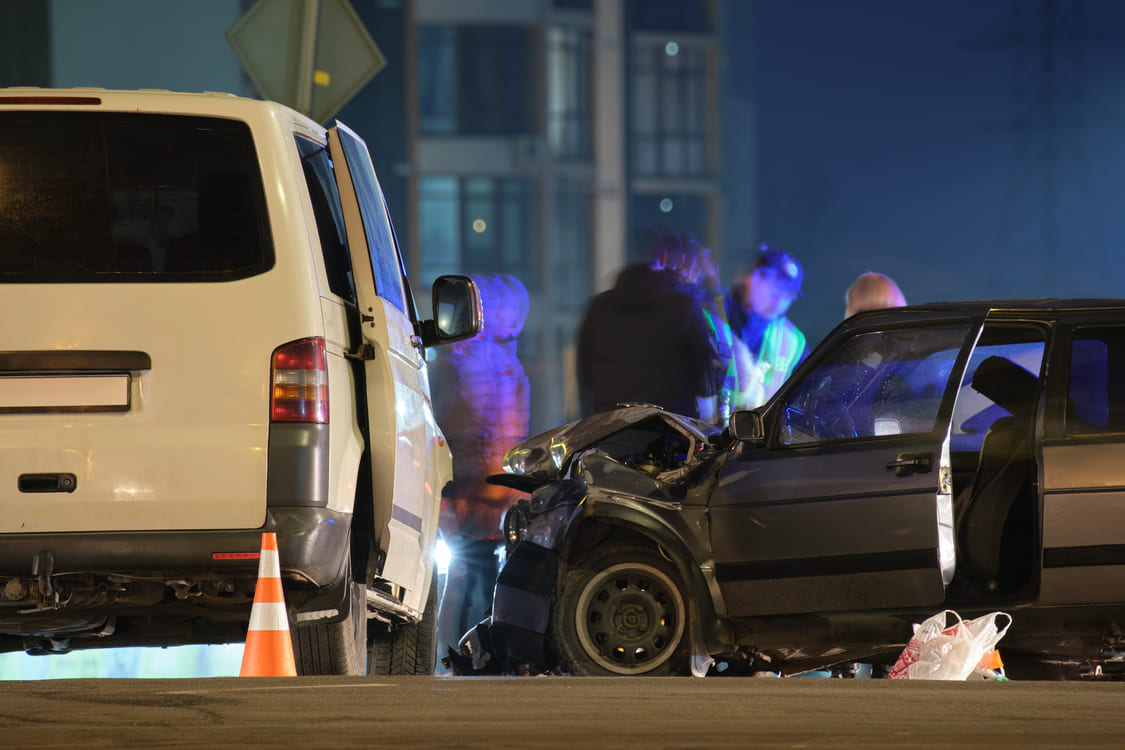
A t-bone accident happens when the front of one vehicle crashes directly into the side of another, forming a “T” shape at impact. These types of collisions most often occur at intersections and can cause severe injuries because the sides of vehicles offer far less protection than the front or rear.
Texas follows an at-fault insurance system, meaning the party responsible for the crash is held financially liable for medical bills, lost wages, and other damages. But proving fault in these scenarios can be tricky—and blame can be shared. Questions often arise about right-of-way, road conditions, and traffic signal violations.
If you’ve been injured in a t-bone accident, this guide explains how fault is determined and how it affects your personal injury case. We will review the most common t-bone accident injuries, the type of evidence used to support car accident claims, and how a abogado de accidente de coche can help protect your right to compensation for the damages caused.
What Is a T-Bone Car Accident?
A t-bone car accident is a type of side-impact collision where one vehicle’s front end strikes the side of another vehicle, usually at a 90-degree angle. These crashes commonly happen at intersections, parking lot exits, and busy cross streets.
Typical scenarios include:
- A driver running a red light or stop sign
- A motorist making a left turn across oncoming traffic
- A vehicle pulling out from a side street without yielding
- Confusion over right-of-way at four-way stops
Side-impact crashes are particularly dangerous because there is less space between occupants and the point of impact. Even with modern safety features like side airbags, the force of a t-bone accident can cause serious and life-altering injuries.
Common Injuries in Side-Impact Collisions
Because the vehicle’s doors and side panels absorb much of the crash force, injuries from t-bone accidents are often severe and require long-term medical care.
Common injuries include:
- Latigazo cervical and neck injuries, which may cause chronic pain and limited mobility
- Broken bones, especially ribs, arms, legs, and hips
- Pelvic and lower-body injuries, which can affect walking and daily activities
- Chest and internal organ trauma, including lung and abdominal injuries
- Traumatic brain injuries (TBIs) and concussions, even without direct head impact
Many t-bone accident victims require surgery, physical therapy, and extended rehabilitation. In more serious cases, these injuries can lead to permanent disability or the inability to return to work.
Determining Fault For T-Bone Accidents
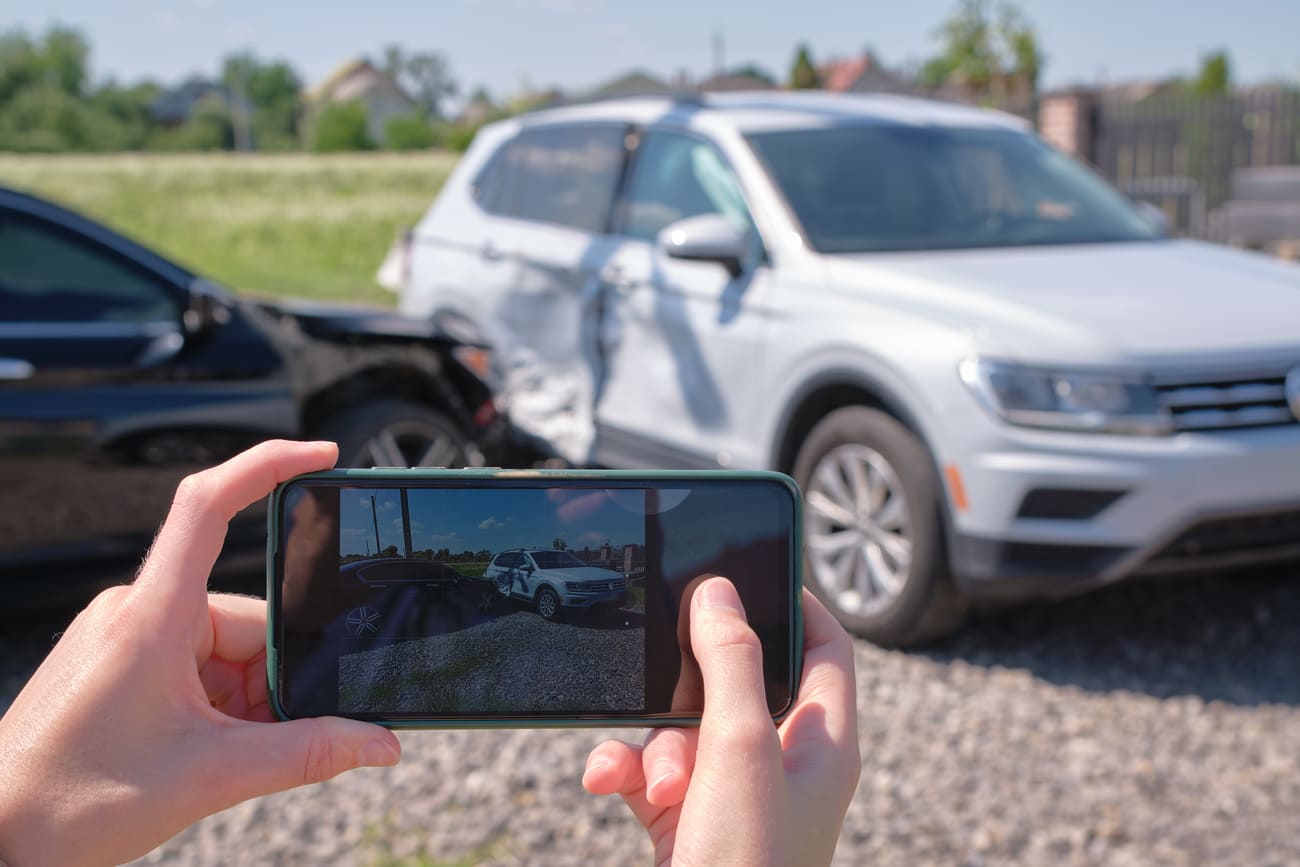
In most t-bone accidents, who’s at fault depends on which driver violated Texas traffic laws. Typically, the driver who fails to yield the right-of-way—by running a red light, ignoring a stop sign, or making an unsafe turn—is responsible for the crash.
Additionally, Texas is an at-fault state, meaning the at-fault driver’s insurance is financially responsible for covering damages. But liability is often contested to avoid payment. In intersection crashes, for example, both drivers may insist they had the green light or the right-of-way. The best way to determine fault, whether shared or not, is through a detailed investigation.
Right-of-Way and Traffic Signal Violations
Right-of-way violations are the most common cause of t-bone car accidents. Traffic citations issued at the scene are not automatically determinative in a civil case, but they often serve as persuasive evidence that a driver breached their duty to drive safely.
Examples of negligent driving include:
- Running a red light or a yellow light that had already turned red
- Rolling through a stop sign instead of coming to a complete stop
- Failing to yield while turning left across oncoming traffic
- Entering an intersection without a safe gap
Shared Fault and Comparative Negligence in Texas
Texas applies a modified comparative negligence system, also known as proportionate responsibility. Under this rule, outlined in Texas Civil Practice & Remedies Code §33, an injured person may recover damages from a car crash if they are less than 50% at fault. If a person is found more than 50% at fault, they cannot recover compensation.
Let’s look at an example:
- Driver A runs a red light.
- Driver B is speeding and enters the intersection late on a yellow light.
- Driver A strikes the side of Driver B’s vehicle
If a jury determines Driver B is 30% at fault and total damages equal $100,000, Driver B could still recover $70,000. However, if Driver B were found 51% at fault, their recovery would be barred entirely.
Because even small percentages of fault can significantly reduce compensation, insurers often try to shift blame to injured victims in t-bone accident cases.
Other Parties That May Be Liable
In some situations, responsibility for t-bone accidents extends beyond the drivers involved. Identifying all responsible parties can increase available insurance coverage and improve the overall value of a claim.
Other potentially liable parties may include:
- Employers, if a crash involved a company vehicle or an employee acting within the scope of their job
- Vehicle manufacturers, if a defective part, such as brakes or airbags, contributed to the collision or worsened injuries
- Government entities, if unsafe road design, malfunctioning traffic signals, or inadequate signage played a role
Evidence Used to Prove Fault in a T-Bone Accident
When t-bone accidents occur at intersections, it’s common for both drivers to claim the other ran the red light or failed to yield. Detailed investigations and strong, objective evidence are critical to overcoming and resolving these types of conflicting accounts.
Investigators and attorneys rely on multiple forms of evidence to determine which driver had the right-of-way and how the crash occurred, including the types covered below.
Police Reports, Witnesses, and Video Evidence
Police officers document the scene, note visible damage, record statements, and may issue citations for traffic violations. While a police report is not conclusive proof of fault, it often carries significant weight with insurance companies.
Statements from independent witnesses—bystanders or other drivers who saw the collision—may also confirm which vehicle entered the intersection against the signal.
Video evidence has become especially valuable in providing unbiased proof of speed, direction, and driver behavior immediately before impact. Examples of video evidence include:
- Traffic-camera footage showing signal phases
- Dash-cam recordings from either vehicle
- Surveillance video from nearby businesses or homes
Vehicle Damage, Skid Marks, and Accident Reconstruction
Physical evidence at the crash scene helps experts reconstruct what happened. The location and severity of vehicle damage may indicate which car struck the other and at what angle. Skid marks, debris patterns, and gouges in the roadway also reveal the speed and direction of the at-fault vehicle.
Many modern vehicles contain event data recorders, also known as “black boxes.” These devices capture information such as vehicle speed, braking, throttle position, and steering input seconds before a collision—data which can be critical in disputed t-bone accident claims.
Proving Negligence in a T-Bone Accident Case
Car accident victims must establish negligence to recover compensation. In t-bone accident cases, this generally involves proving four elements:
- Duty of care – All drivers have a legal duty to operate their vehicles safely and obey traffic laws.
- Breach of duty – A driver breached that duty by running a red light, failing to yield, or speeding through an intersection.
- Causation – The breach directly caused the collision and resulting injuries.
- Damages – The injured person suffered measurable losses, such as medical expenses, lost income, or pain and suffering.
Medical records, diagnostic imaging, and physician testimony are often used to connect injuries to the collision. Without strong medical evidence, even clear proof of fault may not be enough to support full compensation.
Average Payout for a T-Bone Accident
There is no singular, “average” payout for a t-bone accident. Settlement values vary widely depending on the severity of injuries, clarity of fault, and available insurance coverage. However, reviewing reported average car accident settlement data can help injured victims understand the factors that may influence their payouts.
Reported Settlement Ranges
Published analyses suggest that many t-bone accident settlements fall within a broad range:
- $20,000–$40,000 for minor injury cases
- $50,000–$100,000 or more for moderate to serious injuries
- Six- or seven-figure recoveries in catastrophic injury or wrongful death cases
One nationwide review estimated an average settlement value of approximately $110,000–$120,000 for side-impact crashes. These figures are only general reference points. Actual outcomes depend on the specific facts of each case.
Factors That Influence T-Bone Accident Compensation
Several factors directly affect the value of t-bone accident claims, including:
- Current and future medical expenses
- Lost wages and reduced earning capacity
- Pain and suffering and mental anguish
- Permanent disability, scarring, or loss of mobility
- Strength of liability evidence
- Comparative fault percentages
- Available insurance policy limits
Side-impact injuries such as spinal trauma, fractures, and traumatic brain injuries often increase settlement value because of long-term medical needs and lasting effects on quality of life.
Economic and Non-Economic Damages
Compensation in a t-bone car accident case may include both economic and non-economic damages, such as:
- Past and future medical bills
- Rehabilitation and ongoing treatment
- Lost income and diminished earning capacity
- Daños materiales
- Dolor y sufrimiento
- Mental anguish and loss of enjoyment of life
In rare cases involving extreme or willful misconduct, such as drunk driving and street racing, punitive damages may also be available to punish and deter similar behavior.
Schedule A Free ConsultationHow AK Law Firm Handles T-Bone Accident Cases
AK Law Firm helps t-bone accident victims build strong, evidence-based cases and fights for maximum compensation.
Investigating Fault and Building the Case
Proving liability in a side-impact collision requires a thorough investigation. An experienced t-bone accident lawyer will obtain police reports, traffic camera footage, vehicle data, and expert analysis to determine who had the right-of-way and how the crash occurred.
AK Law Firm’s Abogados de accidentes de tráfico en Texas work with medical experts to document injuries, connect them to the collision, and estimate future treatment costs. Our preparation strengthens negotiations with insurance companies and positions cases for trial if necessary.
Supporting T-Bone Victims Across Houston, Dallas, and San Antonio
AK Law Firm represents t-bone accident victims throughout Houston, Dallasy San Antonio, as well as surrounding communities. Our firm manages communication with insurance companies so that our injured clients can focus on their recovery.
Cases are typically handled on a contingency-fee basis, meaning you pay nothing upfront and your attorney’s fees are a percentage of a successful recovery. No recovery? No fees.
Call now to speak with a Texas t-bone accident lawyer and learn how AK Law Firm can help you pursue justice—and compensation—for your injuries.
Call NowFAQ: T-Bone Accident Liability and Compensation
In a t-bone accident, who’s at fault?
Usually, the driver who violates traffic laws by running a red light, ignoring a stop sign, or failing to yield the right-of-way is primarily at fault.
However, investigators may determine that both drivers share responsibility. In these cases, Texas’s comparative negligence rules decide whether each party can recover damages and how compensation is reduced.
What is the average payout for a t-bone accident?
Many reported settlements fall between $20,000 and $100,000. Minor injury cases often resolve for less, while severe or fatal cases can reach up to six or seven figures. Your actual payout depends on injury severity, medical costs, lost income, pain and suffering, comparative fault, and insurance limits.
Do I need a t-bone accident lawyer, or can I handle the claim myself?
While certain minor claims can be resolved without legal representation, t-bone accidents often involve life-altering injuries and disputed fault. A t-bone accident lawyer will investigate the crash, gather evidence, negotiate with insurers, and take the case to court if needed to pursue fair compensation on your behalf.


