 Ir al contenido principal

Unsure what to do in a hit-and-run situation? Hit-and-run car accidents are especially stressful because the at-fault driver has carelessly left the scene, creating confusion and uncertainty in the moments that follow.
Understanding your options under Texas law and knowing what to do in a hit-and-run can protect your health and your ability to recover compensation. If another motorist crashes into you and takes off, don’t give up on your hopes for a successful recovery—you may still have legal and financial options available.
This guide breaks down what to do after a hit-and-run, and the importance of speaking with a Texas abogado de accidente de coche to leverage their legal expertise and secure justice for the other driver’s wrongdoing.
What Qualifies as a Hit-and-Run Accident in Texas
A hit-and-run accident occurs when a driver causes a collision and leaves the scene without stopping to fulfill their legal duties. Under Texas law, drivers involved in a crash must stop, provide identifying information, and render reasonable assistance to anyone who may be injured.
Even if the damage appears minor, leaving the scene without reporting the accident can still constitute a hit-and-run. Texas law clearly outlines these responsibilities in the Texas Transportation Code §550. Drivers are required to:
- Stop immediately at or near the scene
- Provide their name, address, and insurance information
- Show their driver’s license upon request
- Offer reasonable aid, including calling for emergency medical help if needed
Failing to meet these obligations can result in serious criminal penalties. Depending on the circumstances, a hit-and-run accident may be charged as a misdemeanor or a felony, especially if injuries or fatalities are involved. These criminal consequences can also affect civil liability, which may influence your ability to pursue compensation through a car accident claim.
What To Do After A Hit-and-Run: First Steps
The moments after a hit-and-run accident can feel overwhelming. Taking the right steps early can help protect your safety and preserve critical evidence.
Garantizar la seguridad
Your first priority should always be your safety and the safety of others involved. Check yourself and any passengers for injuries. If you can move and it’s safe to do so, relocate your vehicle to a secure area away from traffic.
Avoid chasing or confronting the fleeing driver. This can put you at risk and may complicate the situation legally. Focus instead on staying safe and documenting what happened.
Notificar el accidente
Call 911 as soon as possible to report the hit-and-run accident. Request police assistance and emergency medical services if anyone is injured. When speaking with law enforcement, provide as many details as you can remember, including:
- Where and when the accident occurred
- What happened leading up to the collision
- Any identifying details about the other vehicle or driver
A police report creates an official record of the incident, which is often required for insurance claims and can be critical if the driver is later identified.
Reunir pruebas
If you are physically able, try to collect as much information as possible at the scene. Even small details can be helpful during an investigation. This may include:
- The make, model, color, or partial license plate of the fleeing vehicle
- The direction the other driver was traveling
- Names and contact information of witnesses
- Photos of vehicle damage, debris, skid marks, and the surrounding area
Also, make note of the time of day, weather conditions, road conditions, and lighting. These details may support your version of events later on.
Get Medical Attention
Seek medical care after a hit-and-run accident—even if you feel fine. Some injuries, such as soft tissue damage or whiplash, may not cause immediate symptoms. A medical evaluation helps protect your health and creates documentation linking your injuries to the accident.
Be sure to keep copies of medical records, bills, and follow-up instructions. These records are often essential when pursuing compensation.
Contact a Lawyer
Póngase en contacto con abogado de lesiones personales as soon as possible. An experienced legal professional can help you understand your legal options and guide you through what to do in a hit-and-run case. They will explain how Texas law applies to your situation, guide you through insurance issues, and help protect your rights from the start.
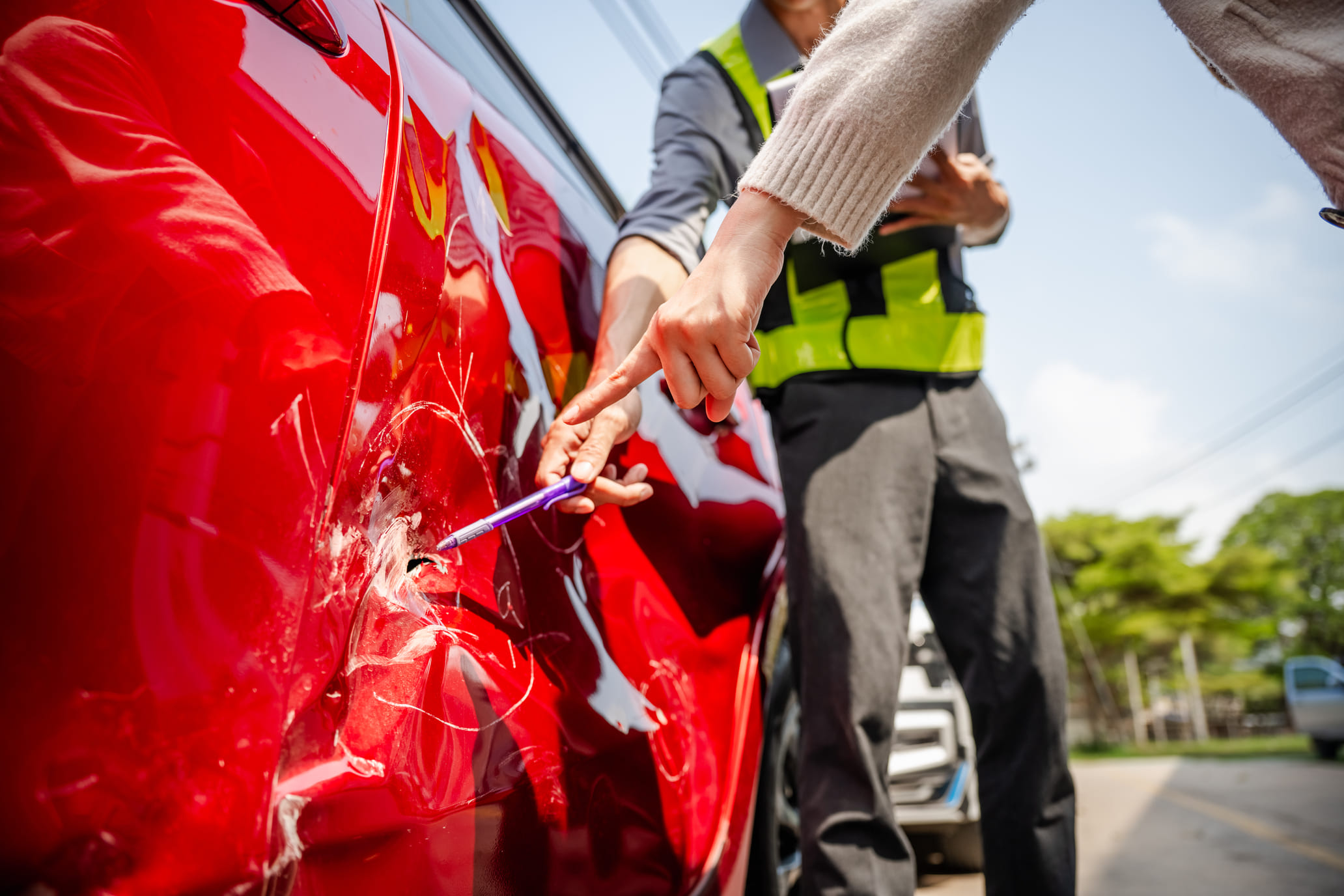
Reporting a Hit-and-Run Car Accident
Reporting a hit-and-run car accident is one of the most important steps you can take after the incident. When law enforcement responds to the scene, they create an official police report that documents what happened, when it occurred, and any available details about the fleeing driver. This report can be essential when filing an insurance claim or if the at-fault driver is later identified.
If the accident happens on a city street, a local police department will typically handle the report. For crashes on highways or interstates, Texas Department of Public Safety troopers may respond. In either case, be sure to ask for the report number and instructions for obtaining a copy once it’s available.
A police report helps support your version of events, confirms that the other driver fled the scene, and strengthens your compensation claim. Without this documentation, insurance companies may question how the accident occurred or delay processing your claim.
If the driver is not located, you may need to turn to your own insurance policy. In many hit-and-run accidents, coverage for an uninsured driver may apply. This type of coverage can help pay for medical expenses, lost wages, and vehicle repairs when the at-fault driver cannot be identified.
What Happens After a Hit-and-Run in Texas?
Many drivers wonder what happens after a hit-and-run and how insurance works when the other driver disappears. The answer often depends on whether the at-fault driver is identified and the type of insurance coverage available.
If the driver who caused the accident is identified, their liability insurance may cover your damages, including medical bills, property damage, and other losses. However, when the driver is never found, your own policy may come into play.
Conductores de Texas often rely on uninsured or underinsured motorist (UM/UIM) coverage in hit-and-run cases. This type of insurance coverage may help cover expenses related to your injuries and repairs when no liable driver can be held responsible.
Notify your insurance company promptly after a hit-and-run accident. Provide them with the police report number, photographs, repair estimates, and any medical documentation you have. Delays or missing information can complicate your car accident claim and lead to unnecessary disputes.
Note: Insurance companies may attempt to minimize payouts, even in hit-and-run cases, so having legal guidance can be especially valuable. A qualified car accident lawyer can help you navigate these insurance issues, communicate with adjusters, and ensure your claim is handled fairly.
Common Mistakes to Avoid After a Hit-and-Run Accident
Knowing what not to do can be just as important as knowing what to do in a hit-and-run situation. Certain missteps can hurt your chances of recovering compensation. Here are a few things to keep in mind:
- One common mistake is leaving the scene without contacting law enforcement. Failing to report the accident can make it harder to prove what happened and may raise questions about your claim.
- Some people unintentionally harm their case by admitting fault or speculating about who caused the accident. It’s best to stick to the facts when speaking with police or insurance representatives.
- Delaying medical treatment is another frequent mistake. Injuries can worsen over time, and gaps in care may be used to argue that your injuries were not serious.
- Failing to notify your insurance company promptly or providing incomplete information can also create inconsistencies in your story.
- Por fin, neglecting to consult with a lawyer may mean missing opportunities to pursue full compensation, especially when (UM/UIM) coverage or complex insurance rules are involved.

When to Contact a Car Accident Attorney
Hit-and-run accidents often create legal challenges that are difficult to manage on your own. Even when the at-fault driver is never identified, you may still have options for recovering compensation. Knowing when to involve an attorney can help protect your rights and reduce stress during an already difficult time.
An experienced car accident attorney can explain how Texas laws apply to your situation, evaluate available insurance coverage, and help you avoid costly mistakes. Acting quickly also helps preserve evidence and ensures deadlines are not missed.
Should I Get a Lawyer for a Hit-and-Run?
Many people hesitate to contact a lawyer after a hit-and-run accident, especially if the other driver fled the scene. However, legal guidance is often crucial in situations involving:
- Serious injuries or a fatality
- Significant vehicle damage
- A (UM/UIM) claim
- Limited evidence, such as no witnesses or missing license plate information
- Disputes with insurance companies about fault or coverage
If you were in a car accident that wasn’t your fault, an attorney can help ensure you are treated fairly and that your claim is handled properly under Texas law.
What a Hit-and-Run Lawyer Can Do for You
A hit-and-run lawyer can take on many of the burdens associated with these cases, allowing you to focus on recovery. Their legal support may include gathering evidence such as witness statements, photographs, and surveillance footage from traffic cameras or nearby businesses.
If the at-fault driver is identified later, your attorney can pursue a claim against their insurance company. When the driver is never found, a lawyer can assist with (UM/UIM) claims and negotiate directly with your insurer.
Attorneys also handle communication with insurance companies, protect you from unfair tactics, and ensure all claims and filings comply with Texas law. In more serious cases, legal representation may involve pursuing a personal injury lawsuit or reclamaciones por muerte por negligencia on behalf of surviving family members.
If you’ve been injured in a hit-and-run accident, getting legal help early can make a meaningful difference in your case.
Call now to discuss your options and learn how an attorney can help protect your rights.
FAQs: Hit-and-Run Accidents in Texas
Is hit-and-run a felony in Texas?
A hit-and-run can be charged as a felony in Texas, depending on the severity of the accident. When a collision results in serious injury or death, leaving the scene may lead to felony charges. Accidents involving only property damage are typically treated as misdemeanors, but penalties can still be significant.
If the driver is never found, can I still get compensation?
Yes, it may still be possible to recover compensation even if the at-fault driver is never identified. Many hit-and-run victims rely on uninsured motorist coverage through their own insurance policy to help pay for medical bills, lost wages, and vehicle repairs.
How much does it cost to hire a lawyer for a hit-and-run?
Most car accident attorneys handle hit-and-run cases on a contingency fee basis. This arrangement means you pay no upfront costs. Legal fees are only collected if compensation is recovered.
How long do I have to report a hit-and-run in Texas?
Texas law requires drivers to report accidents involving injuries, death, or property damage. While reporting should happen as soon as possible, insurance policies may also have specific deadlines for filing claims. Prompt reporting helps protect your rights and strengthens your claim.
Can surveillance video help after a hit-and-run accident?
Surveillance footage can be invaluable in hit-and-run cases. Traffic cameras, nearby businesses, and residential security systems may capture images of the fleeing vehicle. This evidence can assist law enforcement and support insurance claims if the driver is later identified.
Final Thoughts: Protecting Yourself After a Hit-and-Run in Texas
Knowing what to do in a hit-and-run situation can help you stay safe, protect your legal rights, and preserve your ability to recover compensation. From reporting the accident and gathering evidence to seeking medical care and legal guidance, each step plays an important role in your recovery.
If you or a loved one has been injured in a hit-and-run accident, you do not have to handle the aftermath alone. Schedule your free consultation with an experienced car accident attorney at AK Law Firm in Houston, Dallas, or San Antonio. We will help you understand your options and recover from your injuries with confidence.


