
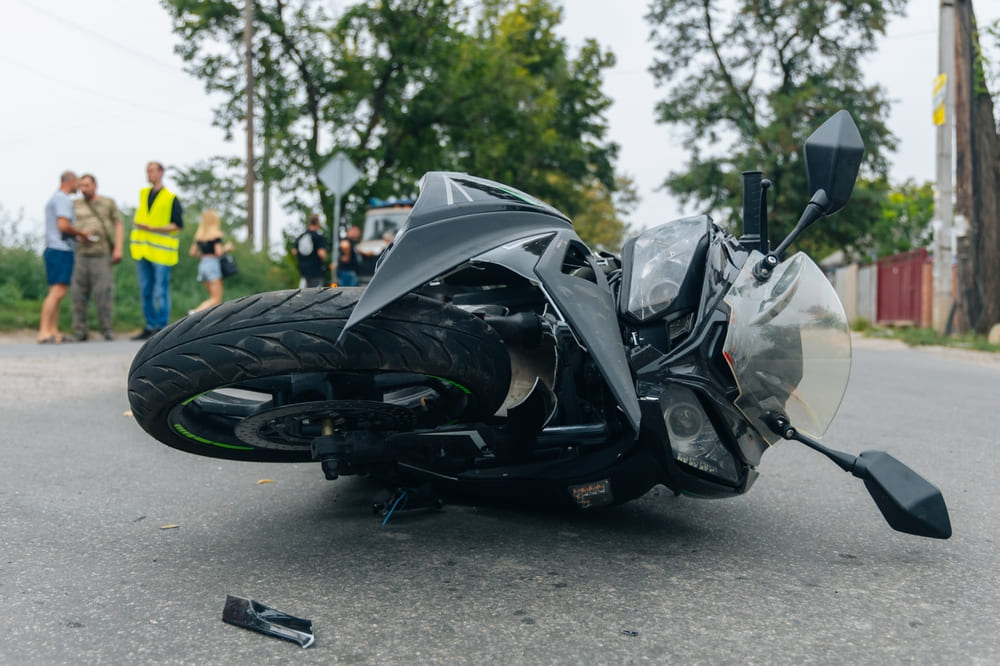
Motorcycle crashes often lead to severe injuries and significant financial impact. If you’ve been injured on your motorcycle but are unsure what qualifies as a motorcycle accident case—or how to prove liability—this guide breaks down what constitutes a valid claim. We will overview how to protect your case and explain why speaking with a abogado de accidentes de moto can help you understand your rights early in the process.
Why Motorcycle Accident Cases Can Be Complex
Motorcycle crashes tend to be far more severe than standard car accidents. According to NHTSA Motorcycle Safety information, riders face a much higher risk of injury because they lack the protective structure that shields car occupants. Even at low speeds, the impact on a rider can be catastrophic.
These accidents often happen because another party failed to act responsibly, which is the foundation of a motorcycle accident case. Common causes of motorcycle crashes include:
- Distracted drivers who fail to see motorcycles
- Unsafe lane changes or merging
- Left-turn collisions
- Speeding or aggressive driving
- Drivers failing to check blind spots
Motorcycle crash claims can also be more complex due to the bias riders face. Many insurance adjusters assume the motorcyclist was speeding or “weaving,” even when evidence shows otherwise.
For this reason, many riders consider hiring a lawyer for a motorcycle accident. A motorcycle accident injury attorney can counter unfair assumptions and build a case based on facts—not stereotypes.
What Counts as a Valid Motorcycle Accident Claim?
A valid motorcycle accident claim generally arises when another party’s negligence caused or contributed to your crash. Negligence simply means that someone failed to exercise reasonable care that would otherwise have prevented the collision.
Examples of negligent behaviors that can lead to a motorcycle accident case include:
- Drivers failing to check blind spots
- Unsafe lane changes or merging
- Impaired or distracted driving
- Violating right-of-way laws
- Road defects such as potholes or missing signage
- Mechanical failures caused by defective parts (tires, brakes, etc.)
To prove negligence, your attorney must show that the at-fault party breached their duty of care and caused your injuries. This is where motorcycle-specific bias often becomes a challenge. Many drivers claim they “didn’t see the motorcycle,” but a lack of awareness does not excuse negligent behavior.
If evidence shows another party’s actions—or inaction—created unsafe conditions, you likely have a valid motorcycle accident case.

Common Injuries in Motorcycle Accident Cases
Motorcycle collisions often result in serious, life-changing injuries. Without the protection of an enclosed vehicle, riders absorb the full force of impact. According to CDC Motorcycle Safety Facts, the risk of severe trauma is significantly higher for motorcyclists than for passengers in standard vehicles.
Common motorcycle accident injuries incluyen:
- Traumatic brain injuries (TBIs): Even with a helmet, riders may suffer concussions or more severe brain trauma.
- Road rash and deep lacerations: Skin abrasions can require skin grafts and lead to infection or scarring.
- Broken or crushed bones: Arms, legs, ribs, and wrists frequently take the brunt of impact.
- Spinal cord injuries: These can cause chronic pain, reduced mobility, or paralysis.
- Lesiones internas: Organ damage and internal bleeding are common after high-impact crashes.
Severe injuries often increase the compensation available in a motorcycle accident case because victims face long recovery periods, ongoing medical care, and significant financial losses. Documenting medical records, imaging scans, and follow-up appointments all help validate your claim.
How Fault Is Determined in a Motorcycle Accident Case
Fault is one of the most critical components of a motorcycle accident case. The key elements leveraged to determine fault include:
- Informes policiales: Officers document statements, road conditions, and any traffic violations.
- Declaraciones de testigos: Independent witnesses can confirm what happened before, during, and after the crash.
- Crash reconstruction: Experts analyze skid marks, vehicle damage, and measurements of the scene to determine how the collision occurred.
- Helmet use: Not wearing a helmet may influence damages in certain jurisdictions, although it doesn’t erase another driver’s negligence.
- Texas comparative negligence: In Texas, multiple parties can share fault. You may still recover compensation as long as you are less than 50% responsible.
Insurance companies often conduct their own evaluations, but they don’t always give riders the benefit of the doubt. Some adjusters rely on stereotypes about motorcyclists, which can lead to unfair blame being placed on the rider.
Motorcycle accident injury attorneys push back against bias and present objective evidence supporting your version of events.
What Evidence Helps Prove a Motorcycle Accident Case?
Strong evidence is the backbone of any motorcycle accident case. Because riders often face unfair assumptions about fault, the more documentation you collect, the stronger your claim becomes.
Over time, road conditions change, vehicles get repaired, and witnesses become harder to reach. Early documentation can make all the difference in proving who caused the crash and how it happened.
Helpful types of evidence include:
- Photos and videos of the scene: Skid marks, vehicle positions, road conditions, debris, and traffic signs all matter.
- Helmet cam or GoPro footage: First-person video can be powerful evidence showing how the crash unfolded.
- Witness testimony: Independent accounts support your version of events.
- Informes policiales: Officers document statements and note traffic violations or contributing factors.
- Motorcycle damage analysis: The bike’s condition can reveal angles, forces, and points of impact.
- Medical records and treatment documentation: These show the severity of injuries and link them directly to the crash.
- Smartphone data or dashcam files: Other drivers’ devices may capture the collision.

What Compensation Can You Recover in a Motorcycle Accident Case?
Motorcycle crash victims are often eligible for compensation that reflects both immediate and long-term damages. The more severe the injuries and the clearer the proof of fault, the higher the potential recovery.
Compensation varies from case to case and may include:
- Medical bills: Emergency care, surgery, hospitalization, medication, physical therapy, and long-term treatment.
- Salarios perdidos: Income lost during recovery, as well as reduced future earning potential.
- Dolor y sufrimiento: Physical pain, emotional distress, loss of enjoyment of life, and ongoing limitations.
- Daños materiales: Repair or replacement of your motorcycle and any damaged gear.
- Long-term disability or impairment: For injuries that affect mobility or daily function.
- Wrongful death damages: Funeral costs, loss of companionship, and financial support for surviving family members.
What To Do After a Motorcycle Crash to Protect Your Case
The actions you take immediately after a motorcycle crash can significantly affect your ability to recover compensation later on. Even small mistakes—like apologizing at the scene or delaying medical care—can give insurance companies ammunition to undervalue your claim.
After a crash, you should:
- Call 911: Always ensure a police report is filed.
- Get medical care immediately: Some injuries don’t show up right away but still require documentation.
- Gather evidence at the scene: Photos, videos, and witness contacts are extremely helpful.
- Do NOT admit fault: Even casual apologies can be used against you.
- Notify your insurance company: Provide basic facts only.
- Contact a motorcycle accident injury attorney before speaking with the other driver’s insurer.
- Act quickly: Texas has a strict statute of limitations for injury claims.
How a Motorcycle Accident Injury Attorney Helps Strengthen Your Case
An experienced motorcycle accident injury attorney knows how to build a strong case from the start. Riders often face unfair assumptions, aggressive insurance tactics, and complicated evidence requirements, which makes legal support especially important in motorcycle claims.
A lawyer can help you by:
- Investigating the crash and determining liability: Attorneys review police reports, photos, witness statements, and expert analysis.
- Gathering and preserving evidence: They act quickly to collect video footage, vehicle data, and medical documentation.
- Estimating full damages: This includes medical needs, lost income, long-term care, and the lasting effects of your injuries.
- Negotiating with insurance companies: Legal teams push back against low settlement offers and challenge any unfair bias placed on the rider.
- Ensuring fair valuation of injuries and long-term impact: Attorneys consider your future medical costs and potential life changes.
- Handling litigation if needed: If negotiations fail, an attorney prepares your case for trial.
- Working on contingency: Most motorcycle accident injury attorneys charge no upfront fees, so you only pay if they win your case.
Choosing the right local representation can significantly increase the value and success of your motorcycle accident case. AK Law Firm has years of experience representing riders throughout Houston, Dallasy San Antonio.
Not sure if you have a motorcycle accident case? Get a free case review today and learn your legal options before speaking with the insurance company.
Motorcycle Accident Case FAQs
How do I know if I have a motorcycle accident case?
You likely have a case if someone else’s negligence—such as unsafe lane changes, distracted driving, or a road hazard—caused your crash and injuries. Supporting evidence strengthens your claim.
Do I need a lawyer for a motorcycle crash?
Many riders hire an attorney because motorcycle claims are often complex. A motorcycle accident injury lawyer protects you from insurance tactics, gathers essential evidence, and helps maximize your compensation.
What if I wasn’t wearing a helmet?
You may still recover compensation. In Texas, not wearing a helmet may affect certain damages, but it does not eliminate another driver’s responsibility if they caused the crash.
How long do I have to file a motorcycle accident claim?
Texas generally allows two years from the date of the crash, but it’s best to act sooner so evidence doesn’t disappear.
What if I was partially at fault?
Texas follows comparative negligence rules, meaning you can still recover compensation as long as you are less than 50% at fault. Your compensation may be reduced based on your percentage of responsibility.
How much is a motorcycle accident case worth?
Case value depends on injury severity, medical costs, lost wages, long-term impact, and the degree to which fault can be proven. Severe injuries and clear negligence typically result in higher compensation.


